Important Features of Laboratory Floors
Quick Summary
Laboratory floors handle far more than ordinary foot traffic. They face chemical spills, rolling equipment, moisture exposure, heavy loads, and strict cleanliness standards every day. The best laboratory flooring systems combine durability, chemical resistance, seamless installation, slip resistance, and easy maintenance to support safer, cleaner, and more efficient work environments.
Laboratories are built around precision. Every detail inside the space serves a purpose, from ventilation systems and storage layouts to workstations and lighting. Flooring often receives less attention during planning stages, yet it quietly supports nearly every activity happening in the room.
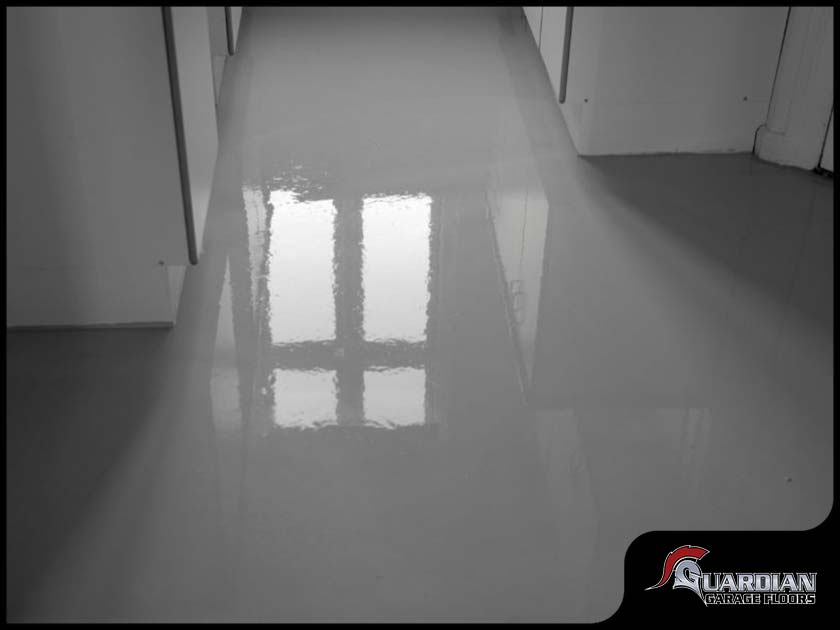
A poorly designed floor can create constant maintenance issues, safety concerns, and surface deterioration that spreads over time. In environments where spills, chemicals, and rolling equipment are part of daily operations, ordinary concrete simply cannot keep up for long.
That is why laboratory flooring systems demand a much higher level of performance than traditional commercial floors.
Chemical Resistance Is One of the Biggest Priorities
Laboratories work with substances that can quickly damage unprotected flooring. Acids, solvents, disinfectants, and cleaning agents all place stress on the surface day after day.
Without proper protection, concrete absorbs liquids through tiny pores in the slab. Over time, that may lead to staining, weakening, cracking, or surface deterioration.
High-performance commercial floor coatings create a sealed barrier that helps prevent those materials from penetrating the floor itself. Polyaspartic polyurea coating systems are especially effective in environments where chemical resistance matters because they form a durable protective surface designed for demanding conditions.
That added layer of protection helps laboratory floors remain cleaner, stronger, and easier to maintain over the long term.
Seamless Surfaces Support Cleaner Environments
Laboratories require flooring systems that support strict cleanliness standards. Dust, bacteria, and contaminants should not have places to collect or spread throughout the space.
Seamless flooring systems offer a major advantage here.
Unlike tile or unfinished concrete, seamless coatings eliminate grout joints and porous gaps where contaminants often build up. The surface becomes smooth, continuous, and easier to sanitize on a daily basis.
That cleaner finish matters in:
- Research laboratories
- Healthcare laboratories
- Pharmaceutical facilities
- Testing environments
- Food science laboratories
In spaces where sanitation standards remain high, flooring becomes part of the overall cleanliness strategy instead of another maintenance problem waiting to happen.
Durability Matters Under Constant Traffic
Laboratories experience more wear than many people expect.
Rolling carts, equipment movement, dropped tools, foot traffic, and heavy workstations all place stress on the floor throughout the day. Some environments also deal with vibration-producing equipment or constant transport of sensitive materials.
Standard concrete surfaces often begin showing wear patterns fairly quickly under those conditions.
Commercial floor coating systems built with polyaspartic polyurea technology provide stronger resistance against abrasion, impacts, and heavy traffic. The flexibility of these coatings also helps them perform better under stress compared to more brittle surface materials.
For laboratory managers, durability directly affects long-term maintenance costs, downtime, and the overall appearance of the facility.
Slip Resistance Cannot Be Ignored
Laboratories regularly encounter moisture, spills, and cleaning solutions on the floor surface. A slick floor can quickly become a safety issue for employees moving through busy work areas.
That does not mean laboratory flooring should feel rough or unfinished. Modern lab floor coating systems can incorporate textured finishes or slip-resistant additives that improve traction while still maintaining a clean appearance.
The goal is balance.
A floor should remain easy to clean while still helping reduce the risk of slips in active laboratory environments. That combination becomes especially important in spaces where workers carry equipment, samples, or hazardous materials throughout the day.
Fast Installation Helps Reduce Disruptions
Downtime creates problems in laboratories. Research schedules, testing operations, and production timelines often leave little room for lengthy flooring projects.
That is why fast-curing concrete floor coating systems have become more attractive in recent years.
Traditional flooring materials like epoxy may require extended curing times before the space can return to full operation. Polyaspartic polyurea coating systems cure much faster, helping reduce interruptions during installation projects.
For busy facilities, that faster turnaround can make a major difference in scheduling and operational planning.
Appearance Still Matters in Professional Spaces
Laboratory floors are highly functional, but appearance still plays a role in the environment.
A stained or deteriorating floor can make even a well-run facility feel neglected. Clean, polished flooring contributes to a more organized and professional atmosphere for employees, visitors, and clients alike.
Modern commercial floor coating systems are available in multiple finishes and color options that create a cleaner, more refined appearance without sacrificing performance.
In healthcare laboratories and research facilities especially, presentation often carries more weight than people initially realize.
FAQs
High-performance seamless flooring systems with chemical resistance and durability are often preferred for laboratory environments.
Laboratories frequently work with chemicals and cleaning agents that can damage unprotected concrete over time. Resistant coatings help protect the surface from deterioration and staining.
Yes. Polyaspartic polyurea coating systems are known for durability, fast cure times, chemical resistance, and easy maintenance, making them a strong fit for many laboratory settings.
Upgrade Laboratory Flooring with Guardian Garage Floors
At Guardian Garage Floors, we install proprietary polyaspartic polyurea coating systems designed for demanding commercial environments, including laboratories, healthcare facilities, industrial spaces, warehouses, and research settings. Our flooring systems are engineered to deliver outstanding durability, chemical resistance, UV stability, and long-term performance under heavy daily use.
Installed by professionally trained in-house crews, our coatings create seamless, easy-to-clean surfaces that help facilities maintain a cleaner and more professional environment. Since 2008, our veteran-owned company has completed more than 16 million square feet of flooring installations built to handle real-world conditions without sacrificing appearance or performance.
Request a free quote today.