Acworth, GA Garage Flooring: What Concrete Strength Is Needed?
A garage makeover often starts with the vision of a cleaner, brighter, more functional space. That spark of motivation usually leads to questions about the concrete itself and how much strength the slab needs before any coating goes down.
Concrete may look simple on the surface. However, its performance depends on the mix design, thickness, curing conditions, and the loads it carries daily. Understanding these details gives you a better picture of what supports a durable garage floor.
Our team at Guardian Garage Floors works with these foundations every day, so we know what strength concrete for garage floor projects is recommended.
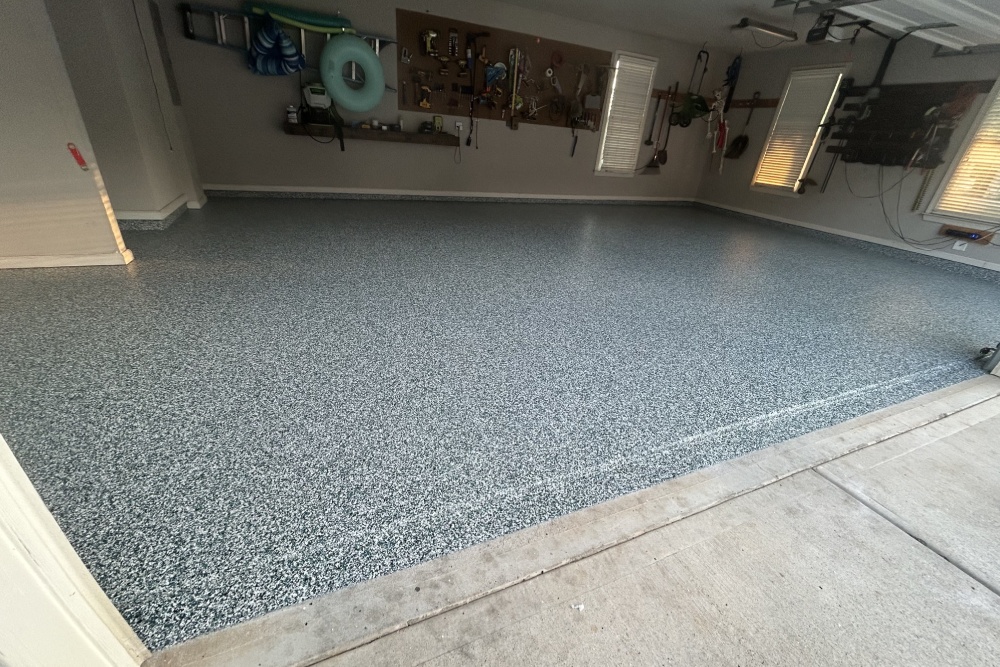
What Concrete Strength Is Needed for Garage Floor Projects?
Concrete strength varies based on mix design, curing conditions, reinforcement, and the requirements placed on the surface.
Residential slabs in Acworth commonly fall in the 3,000 to 4,000 PSI range, which accommodates passenger vehicles and light trucks. A five-inch slab poured at this PSI level distributes weight effectively and offers a stable base for vehicle storage and normal activity.
Key Influences on Concrete Strength
Concrete behaves differently under compression, tension, and shear. Its ability to carry heavy loads depends on several factors that work together:
- Subgrade Quality: A compacted soil base improves stability.
- Thickness: Most driveways and garage slabs fall between four and six inches.
- Reinforcement: Wire mesh or rebar reduces cracking and controls movement.
- Mix PSI: A 3,500 to 4,000 PSI mix supports daily residential use.
- Curing: Concrete must maintain moisture levels long enough to gain its rated strength.
A solid slab performs well when these elements align. If you plan to store heavier equipment like RVs or trailers, an upgrade to a six-inch slab with a higher PSI mix often provides better long-term durability.
Concrete Garage Floor Contractors in Acworth, GA
Local contractors understand the region’s soil conditions, temperature swings, and humidity patterns. These factors influence how concrete cures and how well it withstands long-term stress. A slab poured on a loose or wet subgrade may crack prematurely, while one poured on a properly compacted base settles evenly and performs as intended.
How Reinforcement Helps
Because concrete has great compressive capacity but limited tensile capability, reinforcement becomes essential. Rebar or wire mesh helps the slab resist bending forces that come from daily vehicle movement, temperature changes, and ground pressure. Reinforcement also reduces the risk of brittle cracking that often occurs in untreated slabs.
Why PSI Ratings Matter
Testing from industry standards shows clear guidelines for typical concrete uses:
- 2,500 – 3,000 PSI: Sidewalks or light-duty applications
- 3,500 – 4,000 PSI: Driveways, garage slabs, and light commercial areas
- 4,000+ PSI: Warehouses, machinery, heavy vehicle storage
Contractors often recommend a 3,500 PSI mix for residential garages because it balances durability and cost.
Flooring in Acworth, GA: Building a Foundation that Lasts
Residents across Acworth want a floor that handles daily life with ease. A well-built concrete slab sets the foundation for coatings that bring added durability, style, and longevity to the space. Understanding how concrete strength develops helps homeowners make informed choices that save time, money, and frustration later.
Concrete does not gain its full strength immediately. It begins to harden within 24 to 48 hours, but the curing process continues for nearly a month. During that time, moisture retention matters. If the slab dries too quickly, the final strength drops and creates a base that is more prone to cracking.
Factors that Influence a Long-Lasting Garage Floor
These elements help support a surface that performs well across Georgia’s seasons:
- Mix Quality: Strong aggregates and proper ratios produce better results.
- Temperature and Humidity: Hot, dry days can cause premature curing without proper care.
- Porosity Control: Concrete that traps excess water develops internal voids that weaken the slab.
Concrete preparation lays the groundwork for any premium coating. Once that foundation is ready, Acworth homeowners often look to upgrade with durable finishes that take their space to the next level.
Popular upgrades include high-quality residential garage floor coatings for enclosed spaces and outdoor concrete patio coatings for patios or exterior living areas.
Why Concrete Strength Connects to Better Coating Performance
A coating system lasts longer when applied to a slab that performs well under stress. Concrete that carries consistent loads without cracking creates an ideal bonding surface. Polyaspartic polyurea coatings, like the ones we install, rely on this stability to deliver UV resistance, scratch protection, and long-lasting visual appeal.
Our installations benefit from concrete that has cured properly and remained stable over time. A dependable slab helps the coating adhere evenly, cure with precision, and stand up to Georgia heat without fading or peeling.
When to Consider Adjusting Concrete Strength
Homes with larger vehicles, workshop equipment, or frequent heavy traffic sometimes need adjustments. A homeowner who plans to store a heavy-duty truck or recreational vehicle may benefit from a thicker slab. Soil conditions also play a role. Areas with softer soil may need additional gravel or crushed rock to improve drainage and reduce long-term settling.
These adjustments support structural integrity and improve the lifespan of any applied coating. Once homeowners understand these variables, choosing the right system becomes far easier.
Guardian Garage Floors applies high-performance coatings that transform a simple slab into a space you love walking into. To elevate your Acworth garage with a floor that turns heads and stands up to daily life, connect with us today.