Residential Garage Flooring In Farmers Branch, TX: Is 4 Inches Enough?
Concrete thickness determines how a garage floor responds to vehicles, seasonal soil movement, and long-term surface wear. In Farmers Branch, TX, garages face hot summers, shifting clay soils, and daily automotive use that all place real demands on concrete slabs. Many homeowners hear that four inches is the standard, yet few understand what that measurement truly means for performance over decades.
Before investing in coatings or upgrades, it helps to examine how slab thickness, preparation, and finishing work together to shape the life of a residential garage floor.
Understanding Garage Floor Thickness Basics
When builders refer to a four-inch garage slab, they mean the depth of poured concrete after proper base preparation. This depth has become common in residential construction due to its balance of material cost and structural strength. A four-inch slab can handle normal passenger vehicles and light storage when installed correctly. However, thickness alone does not determine longevity. Soil stability, reinforcement methods, and surface protection all influence how the slab performs year after year.
Concrete behaves differently under pressure than many homeowners expect. It handles compressive forces well but reacts poorly to tension caused by soil movement or thermal expansion. For that reason, slab thickness works best when paired with smart preparation and finishing practices.
Is 4 Inches of Concrete Enough for Garage Floor Use in Farmers Branch?
The question of whether 4 inches of concrete is enough for a garage floor depends on how the garage will function and the soil conditions beneath it. In Farmers Branch, expansive clay soils can swell after heavy rainfall and shrink during drought. These cycles place stress on thinner slabs, especially if drainage and base compaction fall short.
For garages used strictly for sedans or light trucks, four inches often performs well when reinforced and poured over a compacted gravel base. Problems arise when heavier vehicles, home gyms, tool storage, or workshop equipment enter the picture. Additional thickness adds margin against cracking and surface fatigue, particularly in areas near expansion joints and door thresholds.
Soil Conditions and Climate Considerations
North Texas soil contains a high clay content, which expands and contracts more than sandy or rocky ground. This movement transfers force directly into the concrete slab. A thicker slab resists these forces better, yet preparation still matters more than raw depth. Without a stable base layer, even six inches of concrete can fail prematurely.
Heat also affects concrete over time. Long periods of high temperatures cause expansion, while cooler nights lead to contraction. These repeated cycles test the slab surface, especially if moisture penetrates the pores. Surface treatments and coatings play a large role in shielding the concrete from these effects.
Reinforcement and Base Preparation
Thickness works hand in hand with reinforcement. Steel rebar, wire mesh, or fiber additives help distribute loads across the slab. In a four-inch slab, reinforcement placement becomes even more important because there is less material to absorb stress. Proper spacing and positioning help the slab act as a single unit rather than separate sections.
The base layer beneath the slab also shapes performance. Compacted gravel between four and six inches deep improves drainage and load distribution. This layer reduces direct soil contact and limits moisture-related movement. Homeowners rarely see this layer after construction, yet it influences every year of the slab’s life.
Load Demands Beyond Vehicles
Modern garages serve more purposes than parking. Homeowners use them for storage, fitness equipment, woodworking, and automotive projects. Each added function increases point loads on the slab. Tool cabinets, lifts, and heavy shelving concentrate weight in small areas, which stresses thinner concrete.
A four-inch slab can handle many of these uses, yet heavier setups benefit from extra thickness or reinforced zones. Planning for future use during construction helps avoid limitations later.
Surface Protection and Long-Term Performance
Concrete thickness addresses structural strength, but surface durability depends on protection. Bare concrete absorbs moisture, oil, chemicals, and road salts tracked in from vehicles. Over time, this absorption leads to staining, surface wear, and micro-cracking that spreads.
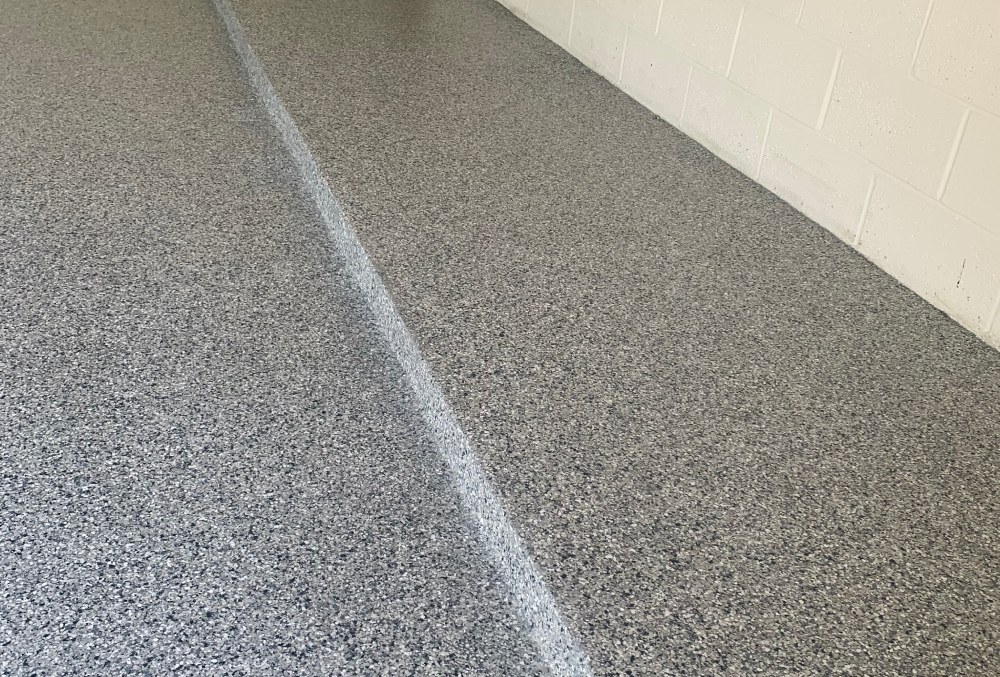
High-performance coatings create a barrier between daily use and the slab beneath. Many homeowners in Farmers Branch turn to high quality residential garage floor coatings to extend the life of existing four-inch slabs. These coatings resist chemicals, abrasions, and ultraviolet exposure while enhancing appearance and ease of cleaning.
Why Coatings Matter as Much as Thickness
Concrete thickness handles structural loads, while coatings manage surface wear. Residential floor coatings seal the slab, limit moisture intrusion, and reduce surface erosion. This pairing allows a four-inch slab to perform well for decades under normal residential conditions.
Guardian Garage Floors offers residential floor coatings designed for Texas climates. These systems bond tightly to the concrete, creating a seamless surface that handles heat, vehicle traffic, and chemical exposure without peeling or fading.
Get Started With Guardian Garage Floors Today
At Guardian Garage Floors, we transform residential garage slabs into finished surfaces built for daily life in Texas. Our coating systems strengthen existing concrete, elevate appearance, and simplify maintenance.
If you want to upgrade your garage floor without unnecessary demolition, contact us to schedule a consultation and explore options designed for lasting performance.