Understanding Garage Concrete Footing Requirements In Tempe, AZ
Concrete footings shape how a garage floor performs over time in Tempe, Arizona. High temperatures, soil movement, and daily vehicle traffic place steady pressure on residential slabs. When footings are planned correctly, the slab remains level and ready for long-term improvements such as high-quality residential garage floor coatings and other residential floor coatings.
Understanding how concrete footings for garage construction work helps homeowners reduce surface damage, manage moisture movement, and plan flooring upgrades with confidence.
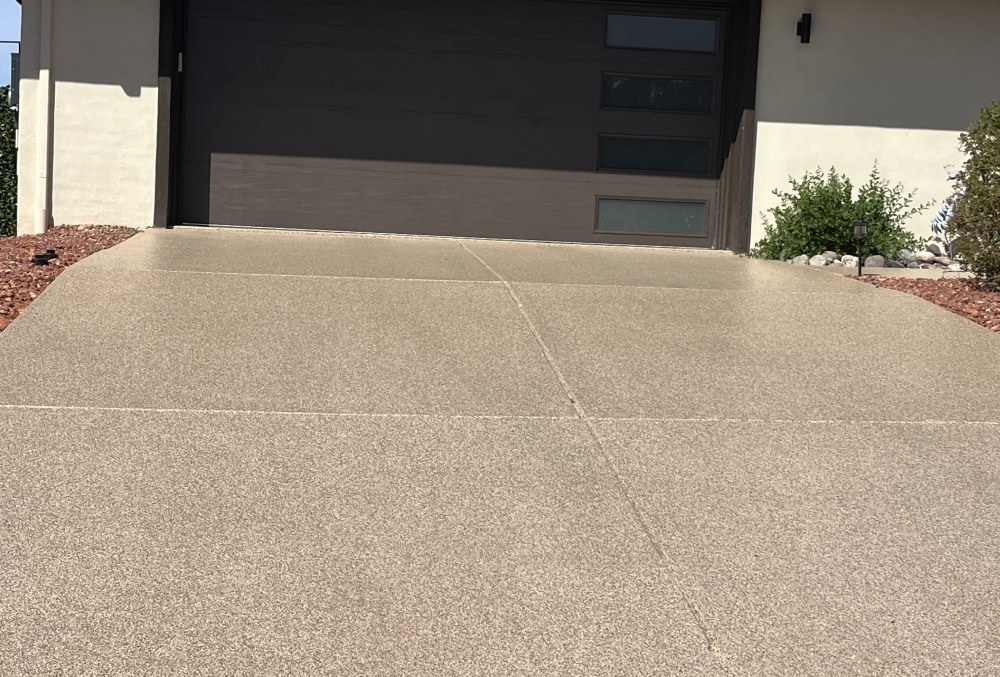
What Concrete Footings Do for a Garage
Concrete footings for garage construction distribute weight into stable soil beneath the slab. They reduce movement along slab edges and protect the structure from stress caused by vehicles entering and exiting the garage. In Tempe, soil conditions often change with irrigation and rainfall, which increases the risk of shifting. A continuous perimeter footing helps stabilize the slab and improves long-term performance.
Standard Footing and Slab Dimensions in Tempe
Most residential garages rely on monolithic slab construction, where the slab and footings are poured together. A four-inch slab is common for standard vehicle use, while garages storing trucks or equipment often use six-inch slabs with higher PSI concrete. Perimeter footings commonly measure around twelve inches wide and twelve inches deep, depending on local requirements.
Reinforcement materials such as fiber mesh or steel rebar add strength to the concrete and limit cracking. Expansion joints guide natural movement caused by temperature changes and help maintain a uniform slab surface.
Soil Preparation and Base Materials
Proper soil preparation begins with removing organic material and compacting the ground beneath the slab. Poorly prepared soil leads to uneven settlement and surface cracking. Many builders add a gravel base layer to improve drainage and reduce moisture retention.
In Tempe neighborhoods with clay-heavy soils or active irrigation systems, base preparation plays a major role in slab stability and surface performance.
Expansion Joints and Crack Control
Concrete expands and contracts as temperatures rise and fall. Expansion joints guide cracking into planned locations rather than allowing random fractures across the slab. These joints are typically saw-cut within the first day after pouring and reach one quarter of the slab thickness.
Correct joint spacing improves surface appearance and reduces stress on the concrete over time.
Ground-Mounted Garages and Concrete Caissons
Some garages are installed directly on leveled ground instead of a full slab. These structures use concrete caissons for anchoring. Caissons are poured into drilled holes along the garage perimeter and connected to the building frame.
This method suits detached garages and accessory structures in Tempe, especially when soil conditions are evaluated in advance.
How Footings Affect Garage Floor Coatings
Concrete footings for garage foundations influence how coatings perform years after installation. Slab movement or moisture intrusion can affect coating adhesion and surface consistency. A stable foundation creates ideal conditions for decorative and protective finishes designed for residential garages.
How Guardian Garage Floors Helps You Build With Confidence
At Guardian Garage Floors, we understand how concrete foundations influence long-term garage performance. Our coating systems pair best with properly prepared slabs, and our team helps homeowners evaluate concrete before installation.
If you are planning a garage upgrade in Tempe, contact us to discuss flooring solutions built for lasting results.