Polyurea Coatings: A Smarter, Stronger Alternative To Epoxy For Concrete
Quick Summary
Epoxy coating for concrete forms a rigid film that sits on top of the slab, which leaves it vulnerable to trapped moisture, UV fading, and cracking under impact or seasonal temperature swings. Polyaspartic polyurea bonds directly into the surface of the concrete instead, and the material tests out roughly 20 times stronger and 5 times more flexible than epoxy, making it a better fit across garages, driveways, patios, basements, and commercial floors alike regardless of climate or traffic load.
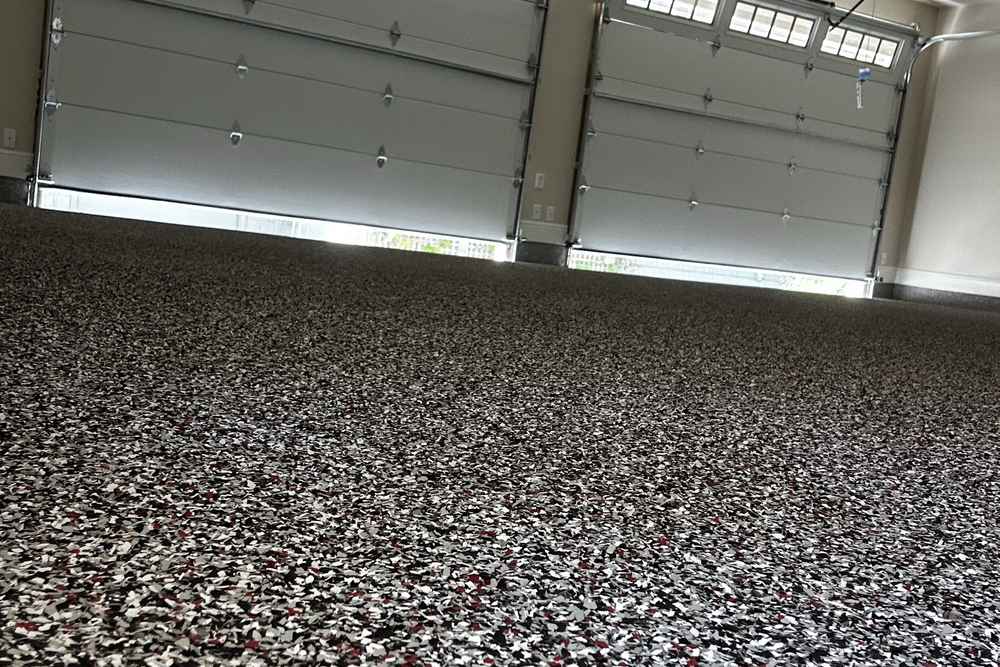
Epoxy coating for concrete has been the default choice for decades, and it earned that reputation honestly by outperforming bare concrete and basic sealers in almost every setting homeowners and businesses tried it in.
Polyaspartic polyurea coating changes that comparison, addressing the specific weaknesses epoxy runs into on concrete surfaces while adding strength and flexibility that make it a better fit for nearly every application epoxy is used for today, from garage floors to commercial warehouses.
How Epoxy Coating for Concrete Works
Epoxy starts as two separate components, a resin and a hardener, that get mixed together right before application begins on the prepared surface. Once combined, the mixture cures into a rigid, plastic-like film that sits on top of the concrete surface rather than becoming a true part of it in any meaningful, lasting way.
The bond between epoxy and concrete happens mostly at the surface level, relying on proper surface prep and mechanical adhesion rather than any real penetration into the slab itself below that top layer of material. That surface-level bond is functional under the right conditions, but it also happens to be the root cause of most of the problems epoxy runs into over the life of the floor.
Where Epoxy Falls Short on Concrete Surfaces
Because epoxy sits on top of concrete instead of bonding into it, moisture pushing up from underneath the slab has nowhere to go but against the underside of that rigid film, leading to bubbling, peeling, or delamination in patches that spread outward over time.
The same rigidity that gives epoxy its glossy, finished look also makes it prone to cracking and chipping under impact, heavy point loads, or the natural expansion and contraction that comes with temperature swings throughout the year. Outdoor applications add UV exposure into the mix, and epoxy tends to yellow or chalk under direct sun within a season or two of regular exposure.
On top of the durability concerns, epoxy typically needs several days to fully cure before handling normal traffic again, which delays a project far longer than most homeowners or facility managers expect going in at the start.
How Polyurea Takes a Different Approach
Polyaspartic polyurea uses a different chemistry that changes how the material interacts with concrete from the moment it’s applied to the prepared surface. Rather than forming a separate film that sits on top of the slab, polyurea absorbs into the surface pores of the concrete itself, creating a bond that becomes part of the slab instead of a distinct layer resting above it and waiting to separate.
That difference in bonding method removes the trapped-moisture problem that plagues epoxy, since there’s no gap between coating and concrete for moisture to collect in and push against from underneath. The chemical reaction also happens much faster than epoxy’s curing process, which is part of why a polyurea floor coating installation wraps up in a single day instead of stretching across several days of downtime and lost use of the space.
The Strength and Flexibility Difference
The numbers behind polyurea’s performance back up what the bonding method suggests about its real-world durability. The material tests out at roughly 20 times stronger than epoxy, giving it enough resilience to handle heavy vehicles, dropped tools, and constant foot traffic without denting or chipping the way epoxy does over the course of a few years.
It’s also built about 5 times more flexible, letting it move with a concrete slab through seasonal expansion and contraction instead of cracking under that same stress the way a rigid material would. Polyurea stays stable across an installation and service temperature range from -30°F to 130°F, holding up in climates that swing from freezing winters to scorching summers without the material becoming brittle or soft at either extreme of that range.
Where Polyurea Performs Better Across Different Concrete Surfaces
The advantages show up differently depending on where the concrete sits and what it deals with day to day throughout the year. In a garage, polyurea resists oil, chemical spills, and the weight of parked vehicles without the chipping that catches up with epoxy near tire tracks and workbench areas.
On a driveway, full sun exposure and temperature swings wear down epoxy fast, while polyurea’s UV stability and flexibility hold up season after season regardless of climate. A patio or pool deck deals with humidity and ground moisture that causes epoxy to bubble, conditions polyurea’s bonding method was specifically built to handle without failing. Basements face similar moisture pressure from below grade year-round, and commercial or industrial spaces add forklift traffic and chemical exposure that wears through weaker coatings within a year or two of heavy daily use.
Let Guardian Garage Floors Put This Difference to Work for You
We switched to polyaspartic polyurea because the strength and flexibility numbers translate directly into fewer callbacks and longer-lasting floors for our clients across every application we install. Our full-time, trained installers handle every project themselves, no subcontractors, and back the finished floor with a transferable lifetime warranty that carries over to a new owner for 15 years if the property sells.
Ready to see the real difference for yourself on your own concrete surface? Request your free estimate today.
Frequently Asked Questions
Can polyurea be applied over an existing epoxy coating?
In most cases, the existing epoxy needs to be ground off down to bare concrete first, since polyurea bonds into the slab itself rather than adhering to another coating already sitting on top of it.
Does polyurea cost more than epoxy for concrete?
The upfront cost typically runs higher than basic epoxy, but the added strength, flexibility, and lifetime warranty often make it the better value once recoating and repair costs get factored into the full picture.
Is polyurea only for garages, or does it work on other concrete surfaces?
Polyurea works on any concrete surface, including driveways, patios, basements, and commercial or industrial floors, with the same bonding method and durability benefits carrying over to each application regardless of use case.