Apex, NC Garage Flooring Guide: How To Insulate Your Concrete Floor
Homeowners in Apex, NC often overlook how much influence a concrete garage floor has on comfort, moisture control, and long-term usability. Bare concrete transfers ground temperatures directly into the space and allows moisture vapor to rise through the slab. Before applying high-quality residential garage floor coatings or upgrading finishes, insulation deserves attention.
Learning how to insulate garage concrete floor systems helps reduce temperature swings, limit condensation, and create a surface that performs better year-round in residential settings.
Why Garage Concrete Floor Insulation Matters in Apex
Apex sits in a region where seasonal temperature swings and ground moisture affect concrete slabs. Uninsulated concrete acts as a thermal bridge, transferring cold from the ground into the garage during winter and absorbing heat during summer. This results in uncomfortable surface temperatures and higher energy use in adjacent rooms.
Insulation limits this heat transfer and reduces surface condensation caused by warm air meeting a cold slab. Lower condensation means fewer moisture-related issues such as surface staining, mold growth near stored items, and long-term degradation of finishes.
How to Insulate Garage Concrete Floor Surfaces Properly
When homeowners ask how to insulate garage concrete floor systems, the answer depends on intended use, load requirements, and floor height limitations. Insulation methods fall into several categories, each suited to different scenarios.
Insulation Over Concrete With Screed
This method involves placing rigid insulation boards directly over the concrete slab, followed by a damp-proof membrane and a screed layer. The screed creates a solid, vibration-free surface suitable for heavy foot traffic and storage.
Rigid boards such as XPS, PIR, or phenolic insulation work well in this setup due to high compressive strength. This approach suits garages used for workshops or partial conversions, though it raises floor height.
Floating Floor Insulation Systems
Floating floors combine insulation boards with plywood or OSB panels placed above a damp-proof membrane. The boards interlock and rest freely without mechanical fasteners into the slab.
This option works best for garages converted into offices or hobby rooms, as it handles lighter loads. It installs quickly and remains budget-friendly, though it does not tolerate vehicle traffic.
Insulation Between Floor Joists
In some garage conversions, builders install raised joists over the slab. Insulation fits between these joists, followed by a subfloor. This method works well when leveling is required or when accommodating uneven slabs.
Stone wool or rigid boards fit between joists depending on usage. Proper spacing and load planning prevent flex and noise underfoot.
Spray Foam Insulation Between Joists
Spray foam creates a continuous insulation layer with excellent thermal performance. Applied between raised joists, it fills gaps and reduces thermal bridging. This method requires professional installation and higher upfront cost, though it delivers strong insulation results.
Choosing the Right Insulation Material
Material selection depends on compressive strength, moisture resistance, and intended garage use.
- EPS (Expanded Polystyrene): Cost-effective and suitable for lighter loads. EPS100 handles moderate compression under concrete or screed.
- PIR Boards: High thermal performance with moderate thickness. Suitable for workshops and gyms.
- XPS Boards: Strong moisture resistance and high compressive strength. Ideal under screed and for vehicle areas.
- Phenolic Boards: Excellent thermal resistance in thinner profiles, useful where headroom limits apply.
- Stone Wool: Used between joists for sound control, not under screed.
Mixing insulation types can create uneven compression and surface cracking unless carefully layered from higher to lower thermal resistance.
Insulation Thickness and Performance Planning
Insulation thickness affects thermal performance and usable space. Thicker boards improve heat resistance but reduce ceiling height. Many residential garages aim for balanced performance rather than maximum insulation.
Rigid boards typically range from 70mm to 150mm depending on material type. XPS and EPS require greater thickness than PIR or phenolic boards to reach similar thermal values. Proper planning prevents unnecessary loss of space.
Moisture Control and Damp-Proof Membranes
Concrete slabs release moisture through capillary action. A damp-proof membrane placed beneath insulation blocks this movement and protects insulation performance. Without this barrier, moisture reduces insulation efficiency and damages finishes above.
Membrane overlap, perimeter sealing, and wall integration play a major role in long-term performance. Moisture issues often trace back to poor membrane installation rather than insulation material choice.
Preparing the Concrete Slab Before Insulation
Surface preparation shapes insulation success. Cracks, divots, and uneven areas should be repaired prior to installation. Self-leveling compounds help create a flat base, reducing pressure points on insulation boards.
Any signs of persistent dampness should be addressed before proceeding. Insulation placed over moisture problems traps water and leads to hidden damage.
How Insulation Works With Garage Floor Coatings
Once insulation and subfloor systems are complete, surface protection adds another layer of performance. High-quality coatings seal the finished surface and guard against chemicals, abrasions, and moisture.
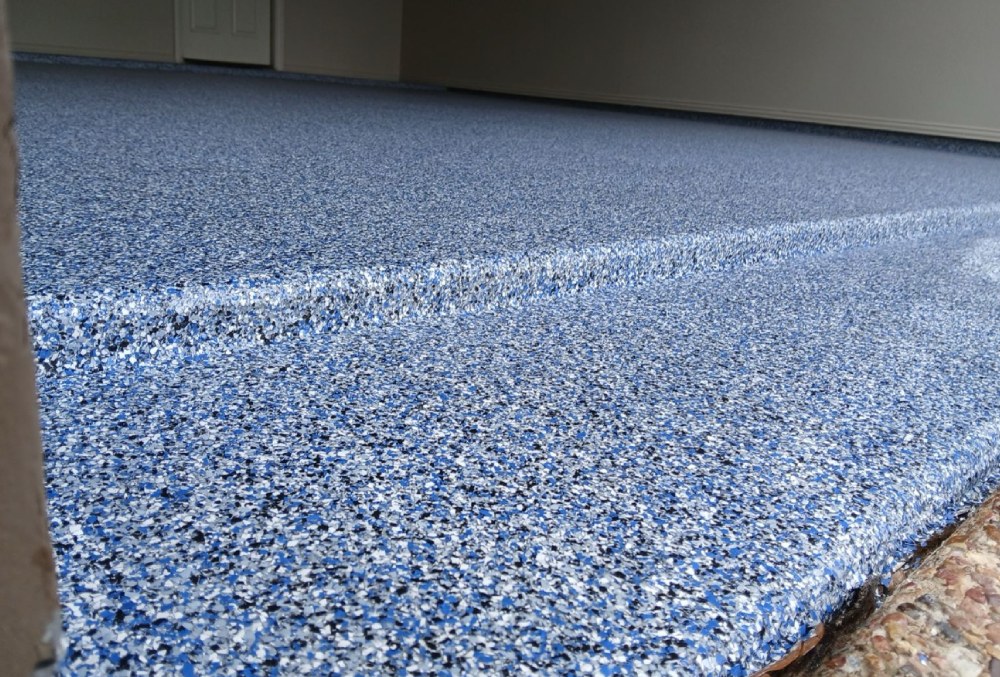
Many homeowners pair insulated floors with high-quality residential garage floor coatings to create a finished space that remains comfortable, durable, and easy to maintain. Coatings also improve appearance, making insulated garages feel like extensions of the home.
For garages that remain concrete after insulation upgrades, residential floor coatings add surface protection that complements insulation benefits.
Upgrade Your Garage Floor With Guardian Garage Floors
At Guardian Garage Floors, we help Apex homeowners turn concrete garages into comfortable, durable spaces. Our team pairs smart preparation with advanced coating systems that complement insulated floors.
If you are ready to improve comfort and performance, contact us to explore solutions designed for lasting results.