How Long Does Polyurea Floor Coating Last?
Quick Summary
Polyurea floor coating is built to last for the life of the concrete slab itself, holding up through decades of daily use without the recoating cycle that shorter-lived materials require. The material tests out at roughly 20 times stronger and 5 times more flexible than epoxy, and it stays stable across temperatures from -30°F to 130°F, all of which contribute to a lifespan that outpaces nearly every other flooring option on the market today.
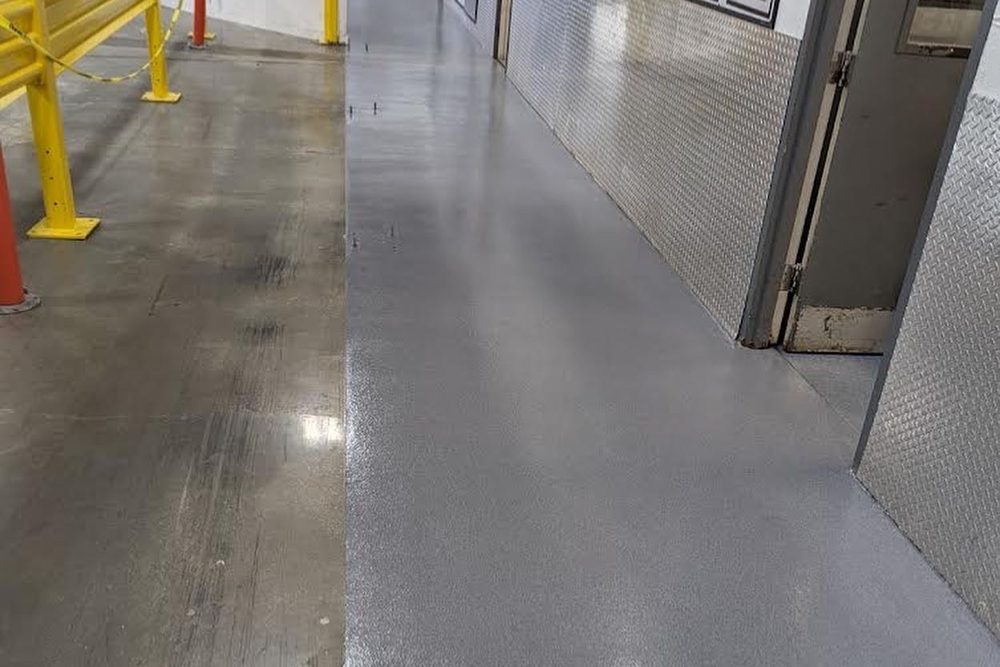
How long does polyurea floor coating last? It’s one of the first questions worth asking before spending money on any flooring upgrade, and the short answer is longer than almost anything else available for a concrete surface.
Under normal use, the material is designed to hold up for as long as the concrete slab underneath it does, rather than needing replacement or recoating on a fixed schedule the way paint, epoxy, or vinyl typically do over the years.
The Short Answer: Built to Last the Life of the Concrete
Polyurea doesn’t come with an expiration date the way many flooring products do, and that’s a meaningful difference for anyone comparing options before a purchase. Instead of a countdown to the next recoat, the material is engineered to remain intact and functional for as long as the underlying concrete stays structurally sound, which in most homes and businesses means decades of use without a full replacement project or a repeat visit from an installer.
The strength and flexibility numbers behind the material back up why it holds up so much longer than the alternatives most people compare it against before making a final decision.
What “Lasting the Life of the Slab” Really Means
The phrase makes more sense once you understand how polyurea attaches to concrete in the first place, which is fundamentally different from how most other coatings work. Rather than forming a separate layer that sits on top of the slab the way paint or epoxy does, polyurea absorbs into the surface pores of the concrete itself, becoming part of the material instead of a distinct coating resting above it and waiting to fail on its own.
Because there’s no separate layer to fail independently of the slab, the coating doesn’t degrade on its own separate timeline the way epoxy or paint eventually does regardless of how well the concrete underneath is holding up on any given day. As long as the slab itself stays sound, the coating stays sound right along with it, tracking the concrete’s condition rather than following a schedule of its own.
Factors That Influence How Long It Lasts
A handful of variables shift the real-world lifespan in either direction, even with a material built to last this long. Installation quality plays the biggest role, since proper diamond grinding, crack repair, and a moisture test before the coating goes down all affect how well the material bonds to the slab from day one. Usage intensity counts too, though less than it does with weaker coatings, since a garage floor with daily vehicle traffic and an occasionally used patio will still show different wear patterns over the decades even on the same material.
Climate plays a smaller role than it does with epoxy, since polyurea stays stable across a temperature range from -30°F to 130°F, covering the vast majority of conditions found across the country without special accommodations. Routine cleaning habits round out the list, and while polyurea doesn’t demand the careful chemical selection epoxy requires, basic upkeep still helps any floor look its best over time.
What Could Shorten a Polyurea Floor’s Lifespan
A few specific situations can cut into an otherwise long lifespan, even with such a durable material installed correctly from the start. Extreme, sustained abuse, like repeatedly dragging heavy metal objects across the same narrow path for years on end, can wear through any coating eventually, though it takes far more to damage polyurea than it does epoxy or paint under the same conditions.
Improper installation by an inexperienced crew that skips proper grinding or moisture testing sets a floor up for early failure regardless of how good the material itself is. Underlying structural issues with the concrete, like foundation settling or pre-existing cracks from ground movement, aren’t something any surface coating can fix, since the coating protects the slab’s surface rather than correcting problems below it.
How This Compares to Other Flooring Options
Epoxy typically needs a recoat every few years as the surface wears down and starts showing chips or yellowing near sun-exposed areas or high-traffic zones. Paint fades and peels on an even shorter timeline, often needing a fresh coat annually in high-traffic areas like a garage or workshop floor.
Vinyl tile and plank flooring wears out at the seams and needs full replacement well before a polyurea coating shows comparable wear, especially in spaces that see moisture or heavy foot traffic. The difference comes down to that same bonding method mentioned earlier: separate surface layers fail on their own schedule, while a coating that becomes part of the concrete lasts as long as the concrete itself does.
Let Guardian Garage Floors Back That Lifespan with a Real Warranty
We install polyaspartic polyurea because the material genuinely lives up to the long lifespan claims other coatings can’t match once real-world use enters the picture. Our full-time, trained installers handle every project themselves, no subcontractors, and back the finished floor with a transferable lifetime warranty that carries over to a new owner for 15 years if the property ever changes hands.
Ready for a floor built to last instead of one you’ll be redoing in a few years? Request your free estimate today.
Frequently Asked Questions
Does polyurea ever need to be recoated?
Under normal use, no. The coating is designed to last for the life of the concrete slab itself, unlike epoxy or paint, which typically need a fresh coat every few years as the surface wears down and starts to show its age.
What happens if the concrete underneath cracks after installation?
Polyurea’s flexibility helps it handle minor slab movement without cracking itself, but significant structural cracking from foundation issues needs to be addressed separately, since the coating protects the surface rather than fixing problems below it.
Does daily heavy use in a garage shorten the coating's lifespan?
Normal daily use, including parked vehicles and regular foot traffic, falls well within what the material is built to handle without shortening its expected lifespan in any meaningful or noticeable way over time.