Top Reasons Polyaspartic Driveway Coating Is Perfect In Rocky Mount, NC
Quick Summary
Polyaspartic driveway coating resists the humidity, heat, and heavy rain common around Rocky Mount, NC by bonding directly into the concrete instead of sitting on top of it. The material stays UV stable, flexes with temperature swings, and installs in a single day, giving homeowners a driveway backed by a transferable lifetime warranty instead of one that needs constant upkeep.
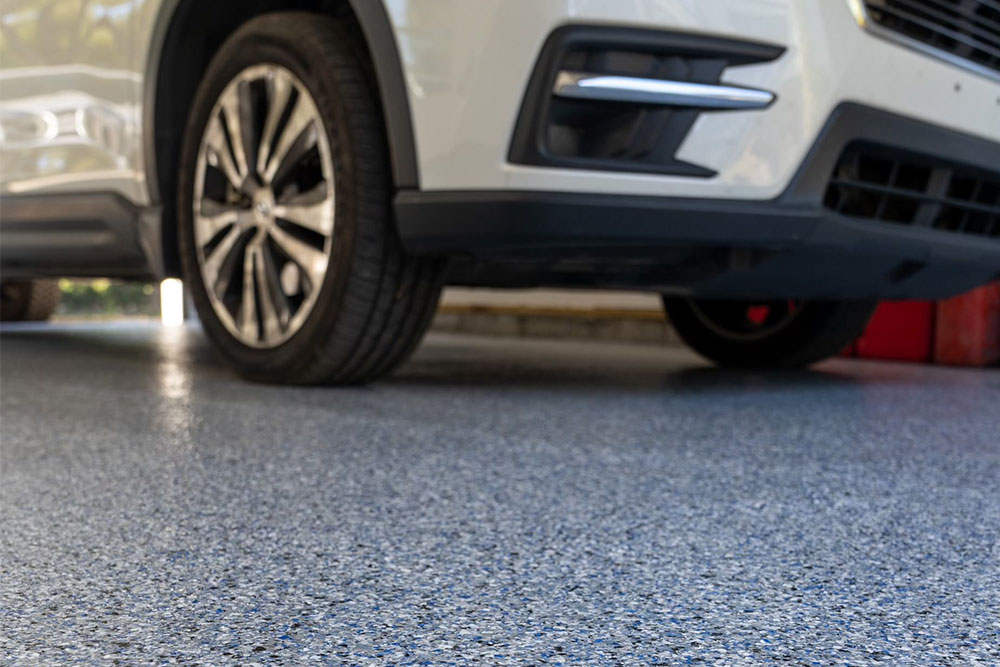
Polyaspartic driveway coating stands up to a combination of weather and soil conditions that wears down plain concrete, asphalt, and standard sealers fast in Rocky Mount, NC. Nash and Edgecombe counties sit along the Tar River, where heavy rain and past flooding have tested driveways and foundations across the area for decades.
A driveway coating built for this kind of climate gives homeowners a surface that holds up instead of one that needs constant upkeep.
Why Rocky Mount Driveways Face Extra Wear and Tear
Rocky Mount sits in a transition zone between the Piedmont and the Coastal Plain, which means the soil under a driveway can shift between clay-heavy and sandy depending on the exact lot. The Tar River running through town has flooded significantly more than once over the past few decades, including the widespread flooding after Hurricane Floyd. Even homes well outside the floodplain deal with the humidity and saturated ground that follow those storms for weeks afterward.
Add in hot, sun-heavy summers, a handful of freezing nights each winter, and heavy afternoon thunderstorms that dump rain fast rather than slow and steady, and a driveway surface in Rocky Mount faces a wider range of stress than most parts of the state see in a single year.
What Makes This Coating the Right Fit
These are the specific reasons the material holds up better than the alternatives most homeowners in the area try first.
1. It Handles Humidity and Ground Moisture Without Trapping Water
Unlike paint or epoxy, which form a rigid layer on top of concrete, polyaspartic polyurea absorbs into the surface of the slab itself. That bond keeps moisture pushing up from saturated ground after a storm from getting trapped underneath the coating, a common failure point for other products in a humid, flood-prone area like Rocky Mount where the water table can stay high for days after heavy rain.
2. It Stays UV Stable Through Hot Eastern NC Summers
Rocky Mount sees long stretches of direct summer sun with little cloud cover for weeks at a time, and standard sealers or epoxy coatings tend to yellow or chalk within a season or two under that kind of exposure. Polyaspartic polyurea stays 100% UV stable, holding its original color and finish for years instead of fading into a dull, uneven surface that needs a fresh coat to look presentable again.
3. It Resists Oil, Chemical, and Tire Stains
Daily vehicle traffic leaves oil drips, brake dust, and tire marks that soak into bare or poorly sealed concrete driveways over time. The coating’s surface resists these stains far better than plain concrete, keeping a driveway looking clean without constant scrubbing or pressure washing.
4. It Flexes With Temperature Swings Instead of Cracking
Rocky Mount’s mix of hot summers and occasional winter freezes puts concrete through repeated expansion and contraction cycles each year, and that movement is what eventually opens hairline cracks in a driveway surface. Polyaspartic polyurea stays flexible enough to move with the slab through those swings, avoiding the cracking that rigid coatings and sealers run into after a few seasons of the same cycle.
5. It Installs in a Single Day With Minimal Disruption
Most residential driveways go from grinding to a finished surface through a concrete coating installation completed in one day, with the driveway ready to walk on within hours and open to vehicle traffic the next day. That timeline beats resurfacing or replacement by a wide margin.
6. It’s Backed by a Transferable Lifetime Warranty
Rather than resealing every year or two the way a standard sealer requires, homeowners get a coating backed by a warranty that holds up for the life of the driveway and transfers to a new owner if the home sells, protecting the investment well beyond the original installation and adding real value if the property changes hands.
What Installation Looks Like for a Rocky Mount Driveway
Every job starts with diamond grinding to open the surface of the existing concrete driveway, followed by crack repair using a fast-setting polyurea filler that seals damaged areas before the color coat goes on.
From there, a base coat goes down, aggregate color chips get broadcast across the surface for texture and slip resistance, and a high-solids topcoat seals everything in for the life of the driveway. Many homeowners pair the driveway with a concrete patio coating out back, since both surfaces deal with similar sun and moisture exposure throughout the year.
Let Guardian Garage Floors Coat Your Rocky Mount Driveway
We built our polyaspartic polyurea coating for exactly the kind of humidity, heat, and storm exposure Rocky Mount driveways deal with every year. Our full-time, trained installers handle every project themselves, no subcontractors, and back the finished driveway with a transferable lifetime warranty that holds up through decades of eastern North Carolina weather.
From the first moisture test through the final seal coat, we walk homeowners through each step of the process so there’s no guesswork involved along the way. Ready for a driveway that holds up long after the first hard rain rolls through town? Request your free driveway estimate today.
FAQs
Can polyaspartic driveway coating handle standing water after heavy rain?
The coating resists moisture far better than plain concrete or sealer, but proper grading and drainage around the driveway still play a role in how quickly standing water clears after a storm passes through.
How is polyaspartic different from epoxy for a driveway?
Polyaspartic bonds into the concrete and stays flexible with the slab, while epoxy sits on top as a rigid layer that tends to yellow in direct sun and crack under repeated temperature swings over a few years.
How soon can I drive on a new polyaspartic driveway coating?
Most driveways are ready to walk on within a few hours of the final coat and open to full vehicle traffic within 24 hours of completion, much faster than traditional resurfacing methods.