What Are The Best Garage Floor Coating Options?
Your garage floor is subjected to heavy wear and tear, from foot traffic to vehicles, harsh chemicals, and unpredictable weather. It’s no surprise that choosing the best garage floor coating can make a significant difference in both the look and longevity of your garage. In this article, we’ll explore the top garage floor coatings, including polyurea, epoxy, and other popular options, to help you make the best decision for your space.
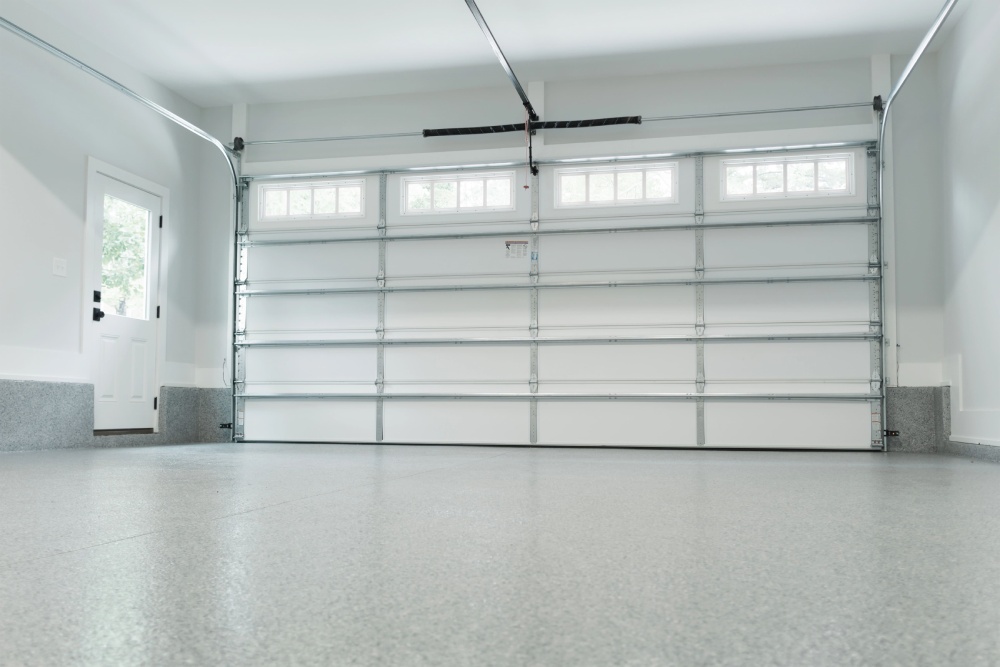
The Importance of Garage Floor Coatings
Your garage floor is more than just a place to park your car. It’s one of the hardest-working surfaces in your home, taking on everything from heavy vehicles to dirt, grease, and chemicals. Over time, these elements can cause damage that affects both the functionality and aesthetics of your garage. Without appropriate protection, a concrete garage floor can develop cracks, stains, and other visible damage, making it look worn and unkempt.
Applying a garage floor coating can help prevent these issues by providing a durable, protective layer that resists stains, impacts, and chemical spills. In addition to enhancing the look of your space, a quality garage concrete coating can extend the life of your floor and increase the overall value of your home.
The Best Garage Floor Coating Options
Selecting the best garage floor coating depends on your specific needs, budget, and desired results. While there are several options to consider, each coating has its own advantages and limitations. Below, we’ll take a closer look at the best garage floor coating options to help you make an informed decision.
- Polyurea Garage Floor Coating
When it comes to durability and performance, polyurea garage floor coatings stand out as one of the best options available. This advanced coating material is 20 times stronger than epoxy and five times more flexible, making it highly resistant to impacts, scratches, and chemicals. Polyurea coatings also offer superior UV resistance, meaning they will not fade or yellow over time, even when exposed to sunlight.
One of the most significant advantages of polyurea coatings is the quick installation process. Unlike other coatings that can take days to cure, polyurea can be applied in just one day, allowing you to use your garage sooner. The seamless finish also eliminates the need for frequent touch-ups, making it a long-lasting solution for high-traffic areas like garages.
At Guardian Garage Floors, we offer high-quality residential garage floor coatings that use polyurea technology to ensure durability and longevity. Our coatings are designed to withstand the toughest conditions while enhancing the visual appeal of your garage.
- Epoxy Garage Floor Coating
Epoxy garage floor coatings have been a popular choice for many years due to their affordability and wide availability. Epoxy is a durable coating that offers excellent resistance to chemicals, stains, and heavy foot traffic. When properly applied, epoxy creates a smooth, glossy finish that can make your garage look clean and well-maintained.
However, there are a few drawbacks to consider. While epoxy coatings are durable, they are not as flexible as polyurea, which makes them more prone to cracking under stress. Epoxy coatings also have a limited curing time, meaning that they require careful application conditions, such as the right temperature and humidity levels. Improper application can lead to an uneven finish and even peeling over time.
While epoxy coatings can be a good option for those on a budget, polyurea tends to outperform epoxy in terms of longevity and flexibility, making it a better long-term investment for most homeowners.
- Concrete Sealer
For homeowners looking for a less expensive and less labor-intensive option, a concrete sealer might be the right choice. Concrete sealers are applied as a thin, protective layer over the concrete surface, preventing moisture, dirt, and chemicals from penetrating the concrete.
While sealers are relatively easy to apply and more affordable than coatings like epoxy or polyurea, they do not offer the same level of protection. Sealers provide a basic level of stain resistance but are more vulnerable to damage from heavy traffic and extreme conditions. Additionally, they may need to be reapplied periodically, as the coating can wear down over time.
Concrete sealers can be a good option for garages with minimal wear and tear but are generally not recommended for spaces that experience heavy use.
- Garage Floor Tiles
Garage floor tiles are another popular option for homeowners seeking a quick and easy solution to upgrading their garage floors. These interlocking tiles come in a variety of colors, patterns, and materials, allowing you to create a custom look for your garage. They are easy to install and can be replaced individually if damaged.
However, garage floor tiles do not address the underlying concrete surface and may not provide the same level of protection as coatings. While they can protect the floor from dirt and debris, tiles are more susceptible to damage from heavy impacts and are less durable than coatings like polyurea.
If you’re looking for a low-maintenance solution that allows for easy customization, garage floor tiles can be a great option, but they may not be as long-lasting as coated floors.
- Polyaspartic Floor Coating
Polyaspartic floor coatings are similar to polyurea coatings but are often used as a more affordable alternative. Polyaspartic coatings offer many of the same benefits as polyurea, such as high strength, flexibility, and UV resistance. However, polyaspartic coatings may not be as durable as polyurea in extreme conditions, and they may not last as long as their polyurea counterparts.
One of the advantages of polyaspartic coatings is that they can be applied in colder temperatures, making them suitable for garages in regions with colder climates. However, for maximum protection and long-term performance, polyurea remains the superior option.
- Concrete Resurfacing
If your garage floor has visible damage, such as cracks or pitting, concrete resurfacing may be a good solution to restore its appearance. Concrete resurfacing involves applying a thin layer of cement-based material over the existing floor to smooth out imperfections and create a fresh surface.
While resurfacing can improve the appearance of a damaged floor, it does not provide the same level of protection as a full coating. Resurfaced floors are still vulnerable to stains, cracks, and wear over time. If you’re looking for long-lasting protection, a concrete coating such as polyurea or epoxy may be a better choice.
- Garage Floor Mats and Rugs
For those looking for a temporary and inexpensive option, floor mats and rugs can be an effective solution for smaller garages. These products are designed to cover a portion of your garage floor and protect it from dirt, moisture, and stains. They are particularly useful in areas with snow or heavy rain, as they can help contain moisture and prevent it from seeping into the concrete.
However, garage floor mats and rugs do not offer a permanent solution and need to be cleaned and emptied regularly. They also provide limited protection against long-term wear and tear and are not ideal for garages that experience heavy traffic or harsh conditions.
How to Choose the Right Garage Floor Coating Based on Your Climate
When selecting a garage floor coating, one of the key factors to consider is your local climate. The temperature and humidity in your area can significantly impact the performance and longevity of the coating you choose. Here’s a guide on how to choose the right coating based on your climate:
- Hot and Humid Climates
In areas with high temperatures and humidity, it’s important to select a coating that can withstand extreme conditions without degrading. Polyurea coatings are an excellent choice for hot climates because they are highly flexible and UV-resistant, meaning they won’t fade or discolor when exposed to sunlight. This coating is designed to withstand high heat without warping or cracking, which makes it perfect for areas like Texas or Arizona.
Additionally, polyurea coatings cure quickly, making them ideal for regions where summer temperatures can be scorching. Since polyurea is more resistant to heat and moisture compared to traditional epoxy, it’s the top choice for garages exposed to hot and humid conditions.
- Cold and Freezing Climates
If you live in a region with freezing winters, such as the northern U.S., you’ll need a coating that can handle low temperatures without cracking. Polyaspartic coatings are a good option for colder climates, as they can be applied in temperatures as low as 20°F (-6°C). These coatings are highly durable and flexible, which allows them to expand and contract with temperature fluctuations, making them less prone to cracking or peeling compared to epoxy.
On the other hand, epoxy coatings are not ideal for extremely cold temperatures. Epoxy has a limited temperature range for proper application, and improper installation in cold conditions can lead to poor bonding and early deterioration.
- Moderate Climates
For regions with mild, stable temperatures year-round, such as coastal or temperate areas, you can choose from a variety of coatings. Epoxy is a solid choice for moderate climates, as it provides a durable and aesthetically pleasing finish. It’s resistant to everyday wear and tear and offers solid protection against stains and spills.
However, polyurea still stands out for its flexibility and fast curing time, ensuring the floor is ready for use in just one day, regardless of the temperature. This makes polyurea an all-around good option for those who want both durability and convenience.
DIY Garage Floor Coating vs. Professional Installation
When deciding between DIY garage floor coating and professional installation, there are a few key differences to consider.
DIY Garage Floor Coating
Pros:
- Lower Cost: DIY kits are more affordable upfront, offering an economical option for homeowners on a budget.
- Satisfaction: Completing the project yourself can be rewarding, and you get to see immediate results.
Cons:
- Labor-Intensive: DIY coatings require significant time and effort. You’ll need to properly clean, prep, and apply the coating, which can be difficult without experience.
- Imperfect Results: Achieving a professional-looking finish can be challenging. Without proper tools and techniques, you may end up with an uneven surface or peeling, especially in high-traffic areas.
- Limited Durability: DIY coatings may not have the same long-term durability as professional-grade solutions, especially when exposed to heavy wear, chemicals, or UV light.
Professional Installation
Pros:
- Expert Application: Professional installers ensure flawless application with high-quality materials and equipment.
- Faster Turnaround: Professionals complete installations in one day, minimizing downtime.
- Long-Lasting Protection: Professional coatings like polyurea offer superior strength and flexibility, making them ideal for long-term durability.
Cons:
- Higher Cost: While more expensive upfront, professional installation guarantees better results and fewer future maintenance issues.
For the best results, professional installation often outweighs the DIY approach, ensuring a durable, long-lasting garage floor.
Get The Best Garage Floor Coating for Your Home
At Guardian Garage Floors, we specialize in high-quality residential garage floor coatings that are designed to withstand the toughest conditions. Our polyurea coatings are 20 times stronger than epoxy, UV-resistant, and come with a transferable lifetime warranty, providing you with a long-lasting solution for your garage floor.
Ready to upgrade your garage with a top-of-the-line coating? Contact Guardian Garage Floors today to get a free quote and discover how our garage concrete coatings can enhance the durability and beauty of your space!