6 Concrete Patio Covering Options In Knightdale, NC
Quick Summary
Knightdale homeowners comparing patio finishes typically weigh polyaspartic polyurea, epoxy, stamped concrete overlays, pavers, outdoor tile, and sealers, each offering a different mix of durability, cost, and upkeep. Polyaspartic polyurea tends to outperform the rest on moisture resistance and UV stability, holding up to Piedmont clay movement and humid summers better than options that sit loosely on top of the slab or fade within a few seasons.
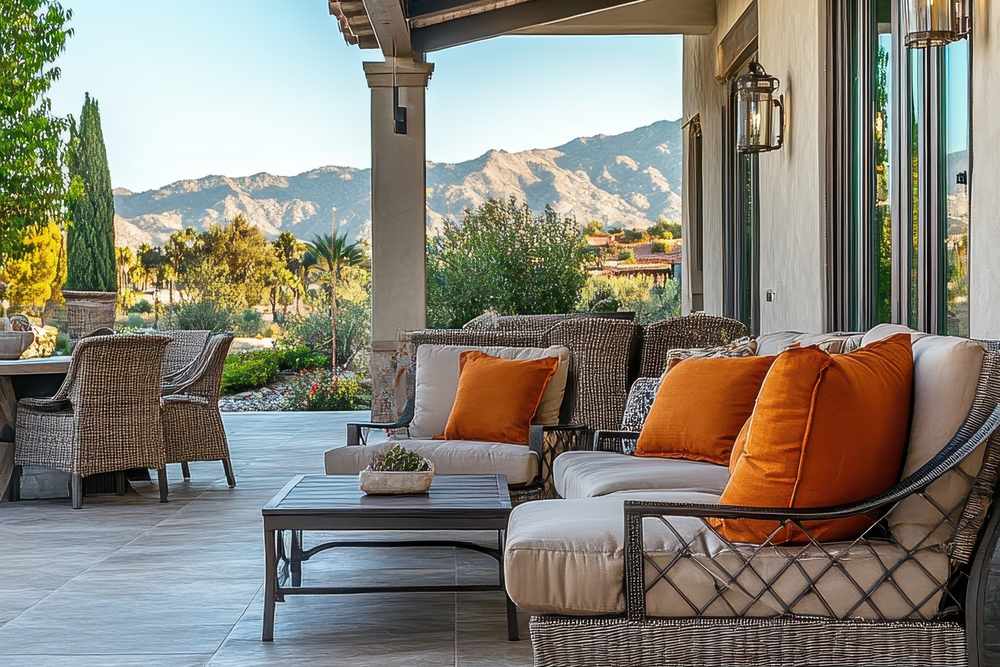
Concrete patio covering options come in more varieties than most Knightdale, NC homeowners realize, and picking the wrong one can mean redoing the patio within a few seasons. Wake County’s Piedmont clay soil and humid climate put real pressure on a patio slab, and each covering option handles that pressure differently once real weather sets in.
Some finishes handle a wet spring better than others, and the gap between a covering that looks good for one season and one that holds up for years usually comes down to how it responds to moisture and temperature swings. Here’s a rundown of the most common options and how each one holds up outdoors.
What Knightdale Weather Does to a Patio Surface
Knightdale sits in the same Piedmont clay belt that stretches across most of Wake County, and that soil expands when saturated and contracts during dry stretches throughout the year. A patio slab sitting on top of that movement takes on stress regardless of what covering sits above it, and coverings that can’t flex with the slab tend to crack along the same lines the concrete does below.
Summers in the area bring long stretches of direct sun and high humidity, with afternoon thunderstorms that can dump a heavy amount of rain in under an hour. Winter adds a handful of hard freezes most years, enough to put any trapped moisture through a freeze-thaw cycle that widens existing cracks over time.
A patio covering that fades, peels, or shifts under this mix of pressure usually needs replacing well before a homeowner expected, which makes the choice of covering worth more thought than it gets during a quick weekend project.
Polyaspartic Polyurea Coating
Polyaspartic polyurea coating bonds directly into the surface of the concrete rather than sitting on top of it, which helps it resist the cracking that Piedmont clay movement causes in rigid coatings over time. The material tests out at roughly 20 times stronger than epoxy and about 5 times more flexible, staying stable across a temperature range from -30°F to 130°F that comfortably covers Knightdale’s hot summers and occasional winter freezes.
It also stays 100% UV stable, holding its color under full sun exposure in a way few outdoor coverings can match, and installation wraps up in a single day.
Epoxy Coating
Epoxy applies as a seamless surface with a glossy finish, and it costs less upfront than premium coating alternatives on the market. Outdoors, the tradeoffs show up fast. Direct sun causes epoxy to yellow or chalk within a season or two, and moisture pushing up from underneath the slab can cause the coating to bubble or peel in patches.
The multi-day cure time before a patio sees full use again also cuts into the warmer months homeowners most want to enjoy the space.
Stamped Concrete Overlay
A stamped overlay adds texture and pattern to a plain slab, giving a patio a decorative, upgraded look without a full replacement.
The finish still relies on a sealer coat that fades and needs reapplication every couple of years, and if the sub-base or soil beneath the patio shifts, cracks in the original slab tend to telegraph back through the new overlay within a handful of years.
Pavers Installed Over the Existing Slab
Pavers offer a wide range of colors, shapes, and patterns that many homeowners find more attractive than a plain coated or overlaid surface. Individual pavers shift as clay soil moves underneath them, and the gaps between pieces invite weeds and ants that spread across the whole patio over a season or two.
An uneven paver surface can also become a tripping hazard as pieces settle at different rates.
Outdoor Tile
Tile brings a polished, finished look to a patio and comes in styles that mimic stone, wood, or solid color options. The grout lines between tiles absorb moisture and stain over time, and freeze-thaw cycles during a Knightdale winter can crack individual tiles or the grout holding them in place.
A smooth tile finish can also turn slippery when wet unless a textured option gets specified from the start.
Concrete Sealers
Sealers offer the lowest-cost way to add a bit of shine and light protection to a bare patio slab. That protection wears thin fast, often within a year or two of sun and foot traffic, and a sealer does nothing to address cracks or moisture issues already present in the concrete below it.
What Polyaspartic Polyurea Installation Looks Like for a Knightdale Patio
Every polyaspartic polyurea installation starts with diamond grinding to open the surface of the existing patio slab, followed by crack repair using a fast-setting polyurea filler that seals any damaged areas before color goes down. From there, a base coat goes on, aggregate color chips get broadcast across the surface for texture and slip resistance, and a high-solids topcoat seals everything in for the life of the patio.
Most patios go from grinding to a finished surface in a single day, with the area ready to walk on within hours and open to regular use the next day. A free estimate starts the process with an in-home visit to test the slab and talk through color options before any equipment shows up on site.
Let Guardian Garage Floors Coat Your Knightdale Patio
We install polyaspartic polyurea because it solves the problems every other patio covering option on this list eventually runs into outdoors. Our full-time, trained installers handle every project themselves with no subcontractors, and we back the finished patio with a transferable lifetime warranty that carries over to a new owner for 15 years. Ready for a patio covering built for real Knightdale weather? Request your free estimate today.
Frequently Asked Questions
Which patio covering option handles humidity best?
Polyaspartic polyurea handles humidity best, since it bonds into the concrete itself rather than leaving a gap underneath where moisture can collect the way tile, pavers, or epoxy sometimes do.
Can pavers be installed directly over an existing concrete patio?
In some cases, yes, though a proper base and edge restraint remain important for keeping pavers in place over time, and existing cracks or drainage issues in the slab should be addressed first.
How does UV exposure affect different patio covering options?
Epoxy and many sealers yellow or fade within a season or two of direct sun, while polyaspartic polyurea stays 100% UV stable and holds its original color for years under the same exposure.