Garage Floor Epoxy Vs. Tiles: What’s Right For Your Garage In Apex, NC?
Quick Summary
Garage floor epoxy vs tiles comes down to a tradeoff between quick, DIY-friendly installation and long-term durability, since interlocking tiles can shift or trap debris while epoxy cracks and yellows over time in daily use. Polyaspartic polyurea bonds directly into the concrete, avoiding the gaps tiles leave and the brittleness epoxy runs into, giving Apex homeowners a seamless, durable alternative to both without the recurring maintenance either option eventually demands.
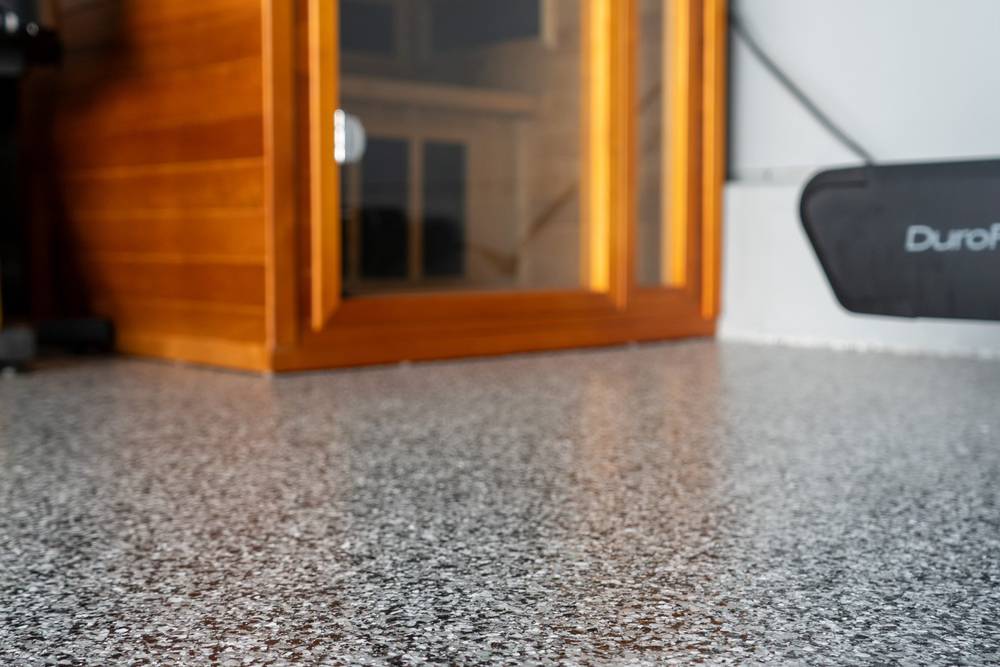
Garage floor epoxy vs tiles is one of the first decisions Apex, NC homeowners run into once they start researching how to upgrade a bare concrete garage floor into something more functional and better looking. Both options solve some of the same problems, but each comes with tradeoffs that don’t always show up until months or years after installation, once the novelty of a fresh floor wears off.
Understanding those tradeoffs upfront makes for a better decision than picking whichever option shows up first in a search, especially since most garages in the Apex area aren’t climate controlled the way the rest of the home is.
What Garage Floor Tiles Offer (and Where They Fall Short)
Interlocking garage floor tiles appeal to homeowners who want a quick, DIY-friendly upgrade over a single weekend, since most systems snap together without any special tools or professional installation required. Individual tiles can be replaced if one gets damaged, and color and pattern options let a garage look distinctive without hiring a contractor to design something custom.
The tradeoffs show up over time as the garage sees regular use. Tiles can shift or lift under the weight of a parked vehicle or a jack stand set up for repairs, and the gaps between individual tiles trap dirt, moisture, and the occasional pest that a solid surface never would deal with. Temperature swings in an unheated Apex garage cause the plastic tiles to expand and contract at the seams, sometimes leaving gaps or overlaps that weren’t there on installation day and only get more noticeable with each passing season.
What Epoxy Offers (and Where It Falls Short)
Epoxy applies as a seamless surface with a glossy finish that many homeowners find appealing right after installation is complete. It resists light chemical exposure reasonably well and costs less upfront than premium coating alternatives on the market today. The problems tend to surface within a couple of years of regular garage use.
Epoxy cracks and chips under the impact of dropped tools or heavy equipment, and the coating often yellows near a garage door where direct sun hits the same spot every day for hours at a time. Moisture pushing up from underneath the slab can also cause the coating to bubble or peel in patches, since epoxy sits on top of the concrete rather than bonding into it the way a more resilient material would.
Why Polyaspartic Polyurea Beats Both for an Apex Garage
Polyaspartic polyurea coating solves the specific problems both tiles and epoxy run into once a garage sees real, daily use. The coating bonds directly into the surface of the concrete, leaving no gaps for dirt or moisture to collect the way tile seams do, and no separate layer to bubble or peel the way epoxy eventually does.
It tests out at roughly 20 times stronger than epoxy and about 5 times more flexible, staying stable across a temperature range from -30°F to 130°F that easily covers the swings an unheated Apex garage deals with from winter mornings to summer afternoons. Installation wraps up in a single day, faster than a full tile installation on a two-car garage and far faster than the multi-day cure epoxy requires before handling regular use again.
Let Guardian Garage Floors Coat Your Apex Garage
We install polyaspartic polyurea because it solves the tradeoffs homeowners keep running into with tiles and epoxy alike, without asking them to compromise on durability or looks. Our full-time, trained installers handle every project themselves with no subcontractors, and we back the finished floor with a transferable lifetime warranty that carries over to a new owner for 15 years if the home ever sells.
Ready for a garage floor that skips the seams and the cracking altogether? Request your free estimate today.
Frequently Asked Questions
Are garage floor tiles a good long-term option?
They work fine for light use, but the seams and gaps between tiles tend to trap dirt and moisture over time, and heavy vehicle weight or repair work can shift individual tiles out of place within a few years.
Does epoxy work well in an unheated Apex garage?
It can hold up reasonably well at first, but temperature swings and moisture from the slab below cause more cracking and peeling in an unheated space than they would in a climate-controlled one.
How does polyaspartic polyurea compare on cost to tiles or epoxy?
The upfront cost typically runs higher than basic tiles or epoxy, but the lack of replacement, recoating, or repair costs down the road often makes it the more affordable option over the life of the floor.