The Pros And Cons Of Polyaspartic Floor Coatings
Quick Summary
The pros and cons of polyaspartic floor coatings largely come down to strength, speed, and stain resistance on one side, and a higher upfront cost with limited DIY options on the other side of the ledger. The material outperforms epoxy, paint, and vinyl on durability and installation time, but it costs more initially and needs a trained crew for a proper installation from start to finish, which counts for a lot on a tight budget.
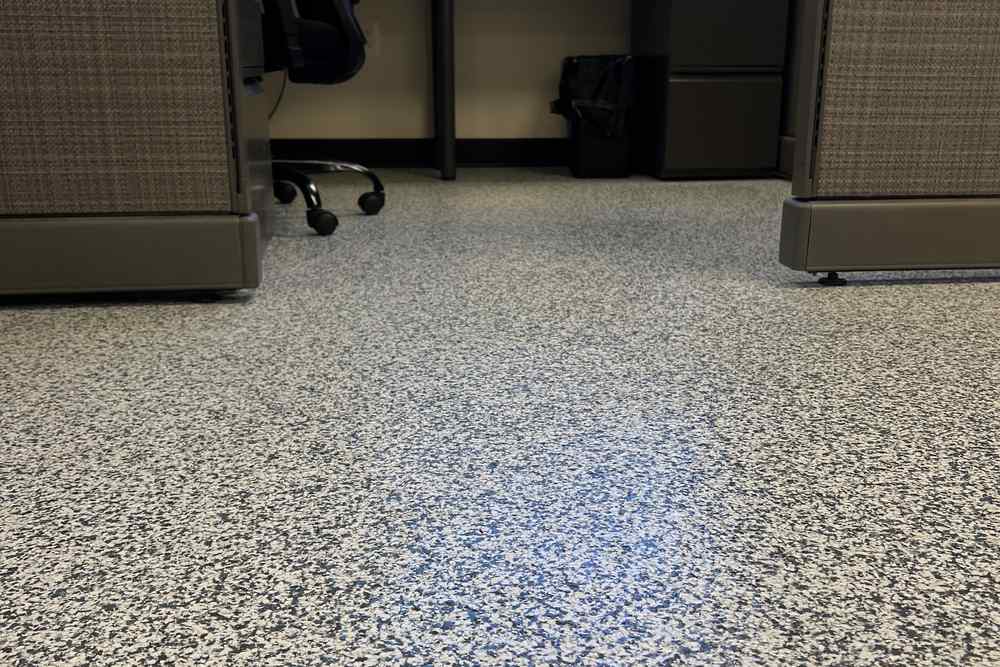
The pros and cons of polyaspartic floor coatings are worth understanding honestly before spending money on any flooring project, since no material is a perfect fit for every situation or budget out there.
The strength and speed that make polyaspartic stand out come with tradeoffs that don’t get much attention in most marketing material, and a fair look at both sides makes for a better decision either way, regardless of which direction you end up choosing.
The Pros of Polyaspartic Floor Coatings
The advantages are significant enough that they’re worth understanding in detail rather than glossing over as a quick bullet point on a sales sheet:
- Exceptional strength: the material tests out at roughly 20 times stronger than epoxy, handling heavy vehicles, dropped tools, and constant foot traffic without denting or chipping the way weaker coatings eventually do under the same daily pressure.
- Real flexibility: built about 5 times more flexible than epoxy, letting the coating move with a concrete slab through temperature swings instead of cracking under that same stress over time, season after season.
- Fast installation: most jobs finish in a single day, with the floor ready to walk on within hours and open to full use the next day, cutting project downtime significantly compared to other coatings that need days to cure.
- UV stability: the coating stays 100% UV stable, holding its color for years instead of yellowing or chalking under direct sunlight the way standard sealers and epoxy tend to after a season or two outdoors.
- Stain and chemical resistance: the non-porous surface resists oil, grease, and most household or garage chemicals without soaking in or requiring special cleaning products purchased just for that surface.
- Wide temperature range: the material stays stable across an installation and service range from -30°F to 130°F, holding up in climates that swing from freezing winters to scorching summers without becoming brittle or soft at either extreme.
The Cons of Polyaspartic Floor Coatings
None of this makes polyaspartic the automatic right choice for every single project out there, and these tradeoffs deserve just as much attention as the benefits above:
- Higher upfront cost: the material and professional installation typically cost more than basic sealers, paint, or leaving a bare concrete floor untreated.
- Limited DIY options: unlike epoxy, which has plenty of home-improvement store kits available, polyaspartic generally requires a trained professional crew because of its fast cure time and the precision needed for a proper surface bond during application.
- Concrete-only application: the coating bonds specifically to concrete, so it isn’t an option for wood subfloors, tile, or other non-concrete surfaces in a home or business without a different underlying material first.
- Professional prep required: proper polyaspartic floor coating installation depends on diamond grinding and moisture testing done correctly, which means the quality of the finished floor depends heavily on who’s doing the work and how carefully they do each step.
Who Might Want to Consider Other Options
Polyaspartic isn’t automatically the right call for every situation, and being honest about that helps set the right expectations from the start of any conversation about flooring. A landlord managing a rental property they plan to sell within a year or two might reasonably choose a cheaper sealer option instead, since the payback period on a premium coating doesn’t fit that shorter timeline or expected turnover.
Someone working with a strict, tightly limited renovation budget might need to prioritize other parts of a project first and treat flooring as a later upgrade once the more pressing items are covered. And anyone coating a wood subfloor, tile surface, or another non-concrete material entirely needs a different solution altogether, since polyaspartic only bonds to concrete and won’t work as a retrofit over other materials.
None of this means the material isn’t worth it for most homeowners and businesses, just that the fit depends on specific circumstances rather than being a universal answer for every project that comes up.
Where the Cost Concern Really Comes From
The price difference isn’t arbitrary or just a case of pure markup added on top for no reason. Polyaspartic cures far faster than epoxy, which sounds like a pure advantage until you consider what that fast cure demands from an installation crew working against the clock on-site.
A quick-curing material leaves less room for error during application, so it takes trained, experienced hands working efficiently to get the timing and technique right before the product sets on the slab and can no longer be adjusted. That skill and speed factor into labor costs more than they would with a slower-curing product that gives installers more time to work through each step without racing the clock at every stage.
The material itself also costs more to manufacture than basic epoxy resin, and both of those factors combine into a higher line item on the initial estimate compared to cheaper alternatives on the market today.
Why Homeowners Still Choose Polyaspartic Anyway
For anyone planning to stay in a home for years or run a business out of a space long-term, the math tends to favor polyaspartic despite the higher starting price on the initial quote. A coating that doesn’t need resealing every year or recoating every few years saves money and hassle over a decade or more, even if the first invoice runs higher than a cheaper option would at the outset.
The calculation looks different for a short-term rental property or a quick flip, where a lower-cost sealer might make more financial sense given a shorter ownership horizon and less time to recoup the investment.
The context makes a real difference here: polyaspartic isn’t the right fit for absolutely every project, but for anyone planning to use a space for the long haul, the durability and reduced upkeep tend to outweigh the higher upfront number by a wide margin over the years that follow.
Let Guardian Garage Floors Handle Your Next Floor
We install polyaspartic polyurea because the pros hold up under real-world, everyday use far more consistently than the marketing claims behind cheaper alternatives ever seem to in practice. Our full-time, trained installers handle every project themselves with no subcontractors, and we back the finished floor with a transferable lifetime warranty that carries over to a new owner for 15 years if the property ever sells.
Ready to see how the real numbers work out for your specific space and overall project budget? Request your free estimate today.
Frequently Asked Questions
Is polyaspartic worth the higher cost compared to standard epoxy?
For most homeowners planning to stay long-term in their current home, yes, since the reduced need for recoating and repairs over the years typically offsets the higher upfront installation cost within a reasonable stretch of ownership.
Can polyaspartic be installed as a DIY project?
It’s possible in theory for a small, simple space, but the fast cure time and precise application technique make professional installation the more reliable route for a proper, long-lasting bond to the concrete underneath it.
Does polyaspartic work on surfaces other than poured concrete?
No. The coating bonds specifically to concrete substrates, so wood, tile, and other flooring materials in a home need a different solution entirely for a durable, long-lasting finish in that particular space.