7 Best Garage Floor Covering Ideas For Homeowners In Chapel Hill, NC
Quick Summary
Chapel Hill homeowners weighing garage floor options typically compare polyaspartic polyurea, epoxy, interlocking tiles, paint, sealers, and roll-out mats, each offering a different balance of durability, cost, and upkeep. Polyaspartic polyurea tends to outperform the rest on strength and moisture resistance, standing up to Piedmont clay movement and Chapel Hill’s humid climate better than options that sit loosely on top of the slab or wear down within a few seasons.
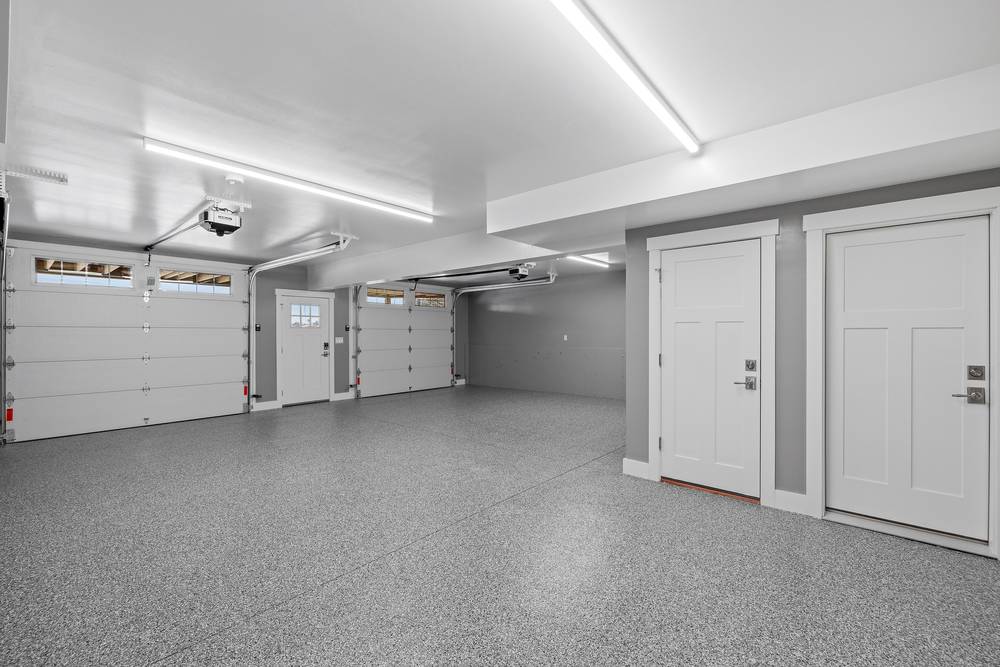
Garage floor covering ideas can turn a tired, stained concrete slab into a clean, usable space, but not every option holds up through a few Chapel Hill summers. Orange County’s Piedmont clay soil and humid climate put real pressure on a garage floor, and each covering option handles that pressure differently depending on the materials and installation method involved.
Here’s a rundown of the most common ideas homeowners consider and how each one holds up once the novelty wears off.
Polyaspartic Polyurea Coating
Polyaspartic polyurea coating bonds directly into the surface of the concrete rather than sitting on top of it, which helps it resist the cracking that Piedmont clay movement causes in rigid coatings over time. The material tests out at roughly 20 times stronger than epoxy and about 5 times more flexible, staying stable across a temperature range from -30°F to 130°F that comfortably covers Chapel Hill’s hot summers and occasional winter freezes without becoming brittle at either extreme.
Installation wraps up in a single day, and the seamless finish resists oil, moisture, and stains without the upkeep other coverings demand year after year of ownership.
Epoxy Coating
Epoxy applies as a seamless surface with a glossy finish that looks sharp right after installation, and it costs less upfront than premium alternatives on the market today. The tradeoffs show up within a couple of years of regular use, since the rigid coating tends to crack or chip under impact from dropped tools or heavy equipment, and moisture pushing up from underneath the slab can cause it to bubble or peel in patches near the edges.
The multi-day cure time before a garage sees full use again also adds real disruption to the installation process, especially for a household relying on the space daily.
Interlocking Garage Floor Tiles
Snap-together tiles appeal to homeowners who want a quick, DIY-friendly project without hiring a contractor, and individual tiles can be swapped out if one gets damaged without redoing the whole floor.
The gaps between tiles trap dirt and moisture over time, and temperature swings in an unheated Chapel Hill garage cause the plastic to expand and contract at the seams, sometimes leaving gaps that weren’t there on installation day and only get more noticeable each season. Heavy vehicle weight or a jack stand set up for repairs can also shift individual tiles out of place, leaving an uneven surface underfoot.
Garage Floor Paint
Paint is the cheapest covering option upfront and comes in a wide range of colors, making it an easy entry point for a tight budget or a quick weekend refresh. It wears through fast under regular vehicle traffic and needs reapplication every year or two to keep looking presentable, especially in high-traffic spots near the garage door and workbench.
Paint also does nothing to address cracks or moisture issues already present in the slab, so any existing damage stays visible right through a fresh coat regardless of how carefully it gets applied.
Concrete Sealers
Sealers add a thin layer of protection against light moisture and staining, and they cost less than a full coating system for homeowners who just want a basic upgrade.
The protection doesn’t last long, typically wearing thin within a year or two of regular use in a working garage, and a sealer does nothing to strengthen or flex with a slab that’s already showing cracks from clay soil movement underneath the surface.
Roll-Out Garage Mats
Mats install without any real commitment, rolling out and lifting up in minutes, which makes them a popular choice for renters or anyone not ready for a permanent change to the garage.
They don’t solve any of the underlying problems with a damaged or stained slab, and moisture can collect underneath the mat itself, creating the same trapped-moisture issue that plagues tiles and epoxy over time as the seasons change and humidity levels shift.
Bare or Polished Concrete
Leaving the slab bare or opting for a light polish keeps upfront costs low and appeals to homeowners who like an industrial, minimalist look in the garage. Without any protective layer at all, bare concrete absorbs oil and chemical stains almost immediately, and the surface constantly sheds fine dust that spreads onto stored items and parked vehicles nearby.
Polishing improves the look somewhat but does nothing to address staining or the cracks that develop as clay soil shifts and settles beneath the slab over the years.
Let Guardian Garage Floors Coat Your Chapel Hill Garage
We install polyaspartic polyurea because it solves the problems every other covering option on this list eventually runs into, from trapped moisture to cracking and constant reapplication. Our full-time, trained installers handle every project themselves with no subcontractors, and we back the finished floor with a transferable lifetime warranty that carries over to a new owner for 15 years if the property ever sells.
Ready for a garage floor covering built to last? Request your free estimate today.
Frequently Asked Questions
Which garage floor covering lasts the longest?
Polyaspartic polyurea typically outlasts the rest, since it bonds into the concrete itself instead of sitting on top as a separate layer that can peel, chip, or wear thin over the years.
Can I switch from garage floor tiles to a coating later?
Yes. Tiles get removed and the slab underneath gets prepped and ground down before a coating goes on, though any damage the tiles were hiding needs to be addressed first before installation begins.
Do garage floor mats work well in a Chapel Hill garage?
They work as a temporary or budget-friendly fix, but moisture trapped underneath and a lack of any real bond to the slab make them a short-term solution rather than a lasting one for daily use.