5 Reasons To Skip Epoxy Coatings For Your Patio And Choose Polyurea Instead
Quick Summary
Epoxy patio coating tends to yellow under direct sun, trap moisture from below, crack with temperature swings, and cure slower than polyaspartic polyurea, which bonds directly into the concrete and resists all of these outdoor-specific issues. Polyurea also offers better slip resistance and installs in a single day, giving homeowners a patio surface built for the outdoors rather than adapted from an indoor product.
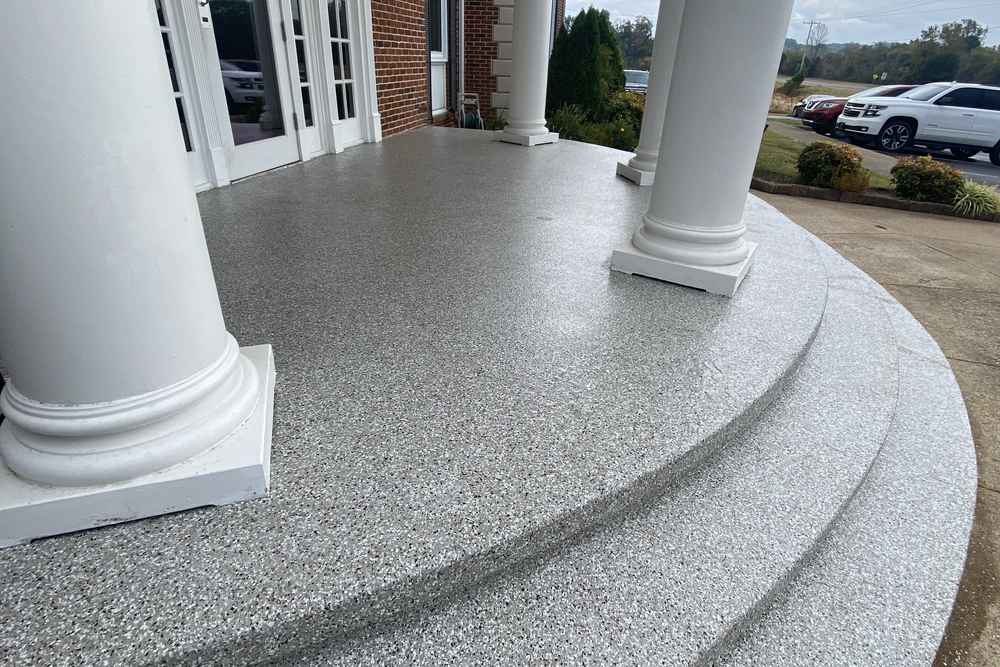
Epoxy patio coating carries over a reputation earned indoors, where garage floors and basements stay shielded from sun, rain, and temperature extremes. A patio faces none of those protections, and the same coating that performs well inside a house often struggles once it’s exposed to full weather year-round.
Understanding the specific reasons epoxy falls short outdoors makes it easier to choose a coating built for the job from the start.
Direct Sun Exposure Causes Yellowing and Fading
Patios, especially uncovered ones, get hours of direct sun that a garage floor never sees over the course of a normal day. Epoxy’s chemical makeup breaks down under UV rays over time, leading to yellowing, chalking, or an uneven, blotchy look within a season or two of regular sun exposure, especially in south-facing spaces.
Polyaspartic polyurea stays 100% UV stable, holding its original color and finish for years instead of fading into a dull, patchy surface that needs a fresh coat to look presentable again.
Ground Moisture Leads to Bubbling and Peeling
A patio slab sits closer to grade and absorbs more ground moisture than an indoor floor, especially after a heavy rain or during a humid stretch of weather that lingers for days. Epoxy forms a rigid film on top of concrete, and trapped moisture pushing up from below causes that film to bubble or peel away in patches over time, often starting near the edges of the slab.
Polyurea bonds into the surface of the concrete itself, letting it handle that same moisture without lifting or failing the way a surface-level coating tends to.
Temperature Swings Crack the Rigid Surface
Outdoor temperatures swing far more dramatically than indoor conditions, moving from hot afternoon sun to cool overnight air within the same day. That constant expansion and contraction opens hairline cracks in a rigid epoxy coating as the seasons change year after year.
Polyurea flexes with the slab instead of fighting against that movement, which is a big part of why it resists cracking so much longer outdoors.
Slip Resistance Becomes a Real Safety Concern
A glossy epoxy finish looks great while dry but can turn slick the moment it gets wet from rain, a pool splash, or a hose-down after a cookout, which creates a real hazard for bare feet or wet shoes moving across the surface.
Polyurea’s aggregate texture option adds grip underfoot exactly where a patio needs it most, around pools, grills, and outdoor seating areas where wet feet and bare skin are common throughout the warmer months.
Longer Cure Times Delay Using Your Patio
Epoxy typically needs several days to cure before furniture or foot traffic returns to normal, which means a patio coating project can eat into an entire week of prime outdoor season during the warmest part of the year.
Polyurea cures in a single day, with the surface ready to walk on within hours and fully usable for furniture and foot traffic the next day.
Let Guardian Garage Floors Coat Your Patio the Right Way
We hear from a lot of homeowners who tried epoxy on a patio and watched it yellow, crack, or peel within a couple of seasons outdoors despite a careful installation. Our polyaspartic polyurea coating is built specifically to handle full outdoor exposure, and our full-time, trained installers back every finished patio with a transferable lifetime warranty instead of a coating that needs constant touch-ups to stay looking good.
Ready for a patio surface built for the outdoors from day one instead of borrowed from an indoor product line? Request your free estimate today.
Frequently Asked Questions
Can epoxy be used outdoors on a patio at all?
It can, but sun, rain, and temperature swings tend to shorten its lifespan far more outdoors than they would on a protected indoor floor like a garage or basement that stays out of direct weather.
Does polyurea come in the same style and color options as epoxy?
Yes. Polyurea offers solid colors, aggregate chip blends, and custom accents similar to epoxy, with the added benefit of staying UV stable so the color holds up over years of sun exposure.
How long before I can use my patio after a polyurea coating?
Most patios are ready to walk on within a few hours of the final coat and fully usable for furniture and foot traffic within 24 hours of completion, much faster than a typical epoxy cure.