7 Reasons Why Polyurea Coatings Are Great For Driveways
Quick Summary
Polyurea driveway coating resists oil, gas, and antifreeze stains, stays UV stable under direct sun, and flexes through freeze-thaw cycles instead of cracking the way rigid coatings do year after year. The material installs in a single day, holds up to vehicle weight and turning stress, and gives a driveway a clean, uniform finish that boosts curb appeal without the recurring upkeep other options require throughout the year.
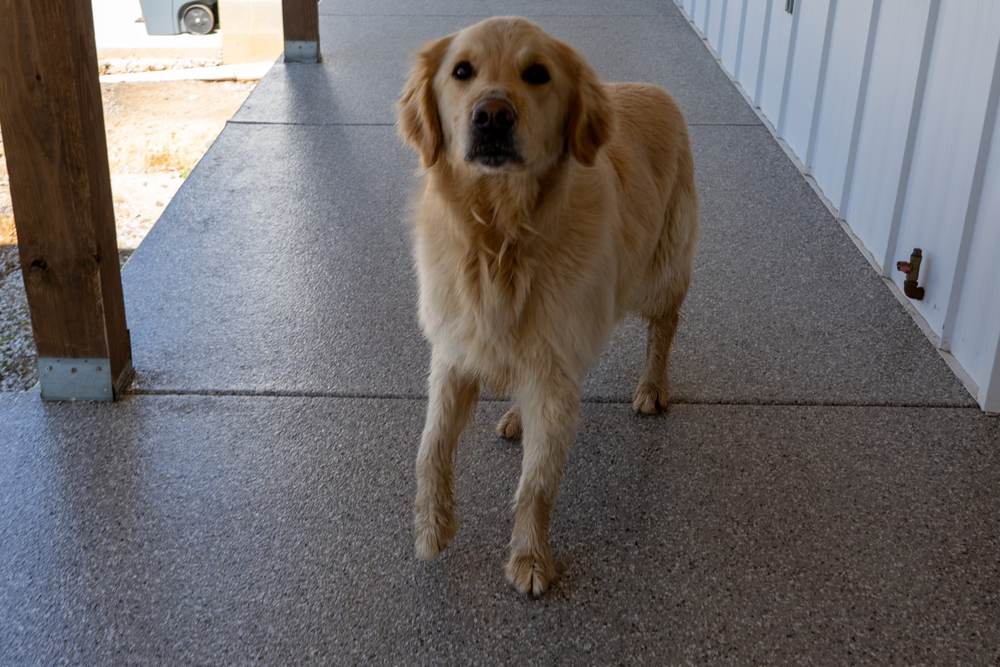
A polyurea driveway coating solves problems that plain concrete, sealcoat, and standard epoxy all struggle with once real weather and daily use get involved over the years. A driveway sits fully exposed to sun, rain, temperature swings, and the weight of every vehicle that pulls in and out day after day, and few flooring materials are built to handle all of that at once without breaking down.
Here’s a closer, more detailed look at what makes polyurea a strong fit for this specific application around a home.
Handles Vehicle Weight and Turning Stress Without Cracking
A driveway takes on concentrated stress every time a car turns into the garage or backs out onto the street, with tires twisting against the same small area of pavement over and over throughout the week without much variation in where that pressure lands.
Polyaspartic polyurea tests out at 20 times stronger than epoxy, giving it enough resilience to handle that repeated turning stress without cracking or denting the way weaker coatings eventually do near the garage door and along the main tire path where the wear concentrates most heavily.
Resists Oil, Gas, and Antifreeze Stains
Vehicles leak fluids over time regardless of how well maintained they are, and a driveway ends up catching oil drips, gas splashes, and the occasional antifreeze leak in the same spots year after year of daily parking in the exact same place.
Polyurea’s non-porous surface resists staining from all of these, so a spill wipes away instead of soaking into the concrete and leaving a permanent dark patch behind that scrubbing alone never fully removes.
Stays UV Stable Under Direct Sun Exposure
Unlike a garage floor tucked under a roof, a driveway sits under direct sun for hours every single day with no real relief from the heat or the light bouncing off the surface. Standard sealers and epoxy coatings tend to yellow, chalk, or fade unevenly within a season or two of that kind of exposure, especially in spots that get more direct light than others.
Polyurea stays 100% UV stable, holding its original color for years regardless of how much sun the driveway sees over the course of a hot summer or a string of them.
Installs in a Single Day
A driveway is hard to work around during a renovation, since most households rely on it daily for parking and access to the street or garage door.
Most polyurea floor coating installations wrap up in a single day, with the surface ready to walk on within hours and open to full vehicle traffic the next day, compared to the multi-day cure window sealcoat and epoxy typically require before a driveway sees normal use again without risking damage to the still-curing surface.
Improves Curb Appeal with a Clean, Uniform Finish
A cracked, stained, or unevenly sealed driveway is one of the first things visitors and passersby notice about a home from the street, often before they even reach the front door.
Polyurea’s continuous application and aggregate color options give a driveway a clean, consistent look that holds up over time instead of fading into a patchwork of touch-ups and repairs within just a few years of the original installation, which keeps the whole front of the property looking finished.
Flexes Through Freeze-Thaw Cycles Instead of Cracking
Water that seeps into small cracks and then freezes expands and widens those cracks over each winter, a cycle that wears down rigid coatings and bare concrete alike season after season regardless of how well the driveway was originally poured.
Polyurea is built roughly 5 times more flexible than epoxy and stays stable across a temperature range from -30°F to 130°F, moving with the slab through freeze-thaw cycles instead of fighting against them the way a stiffer material would year after year.
Adds Slip Resistance in Wet or Icy Conditions
A driveway gets wet from rain, covered in snow, or glazed with a thin layer of ice more often than almost any other concrete surface around a home, especially during the colder months of the year.
Aggregate texture broadcast into the polyurea base coat adds grip underfoot and under tires in these conditions, cutting down on slips for anyone walking to the mailbox or the car during bad weather.
Let Guardian Garage Floors Coat Your Driveway the Right Way
We install polyaspartic polyurea because it holds up to exactly what a driveway deals with every day, from turning tires to sun exposure and everything in between that comes with full outdoor use year-round in every season.
Our full-time, trained installers handle every project themselves, no subcontractors, and back the finished driveway with a transferable lifetime warranty that carries over to a new owner for 15 years if the home ever sells. Ready for a driveway that finally holds up to daily use instead of needing constant touch-ups every season? Request your free estimate today.
Frequently Asked Questions
How long does a polyurea driveway coating take to fully cure?
Most driveways are ready to walk on within a few hours of the final coat and open to full vehicle traffic within 24 hours, much faster than the multi-day cure typical of sealcoat or standard epoxy applications used on residential driveways.
Can polyurea handle heavy trucks or RVs parked on a driveway?
Yes. The material’s strength and flexibility handle sustained heavy loads well, including trucks and RVs parked in the same spot for extended periods, without the denting or cracking that lighter-duty coatings run into over a few years of that kind of weight.
Does polyurea need to be resealed like a sealcoated driveway does over time?
No. The coating bonds into the concrete and holds its finish for the life of the slab, removing the yearly or every-other-year resealing cycle that sealcoat typically requires to stay protective against the elements.