6 Reasons Polyurea Flooring Is A Better Solution Than Epoxy And Vinyl
Quick Summary
Epoxy vs vinyl flooring comparisons often miss a third option that outperforms both: polyaspartic polyurea resists denting and moisture better than vinyl, and cracks less than epoxy thanks to material that’s roughly 5 times more flexible than a standard epoxy coating. The coating also installs faster than either alternative and holds up under daily wear without the seams, curling, or chipping that shorten the lifespan of vinyl tile and standard epoxy over time.
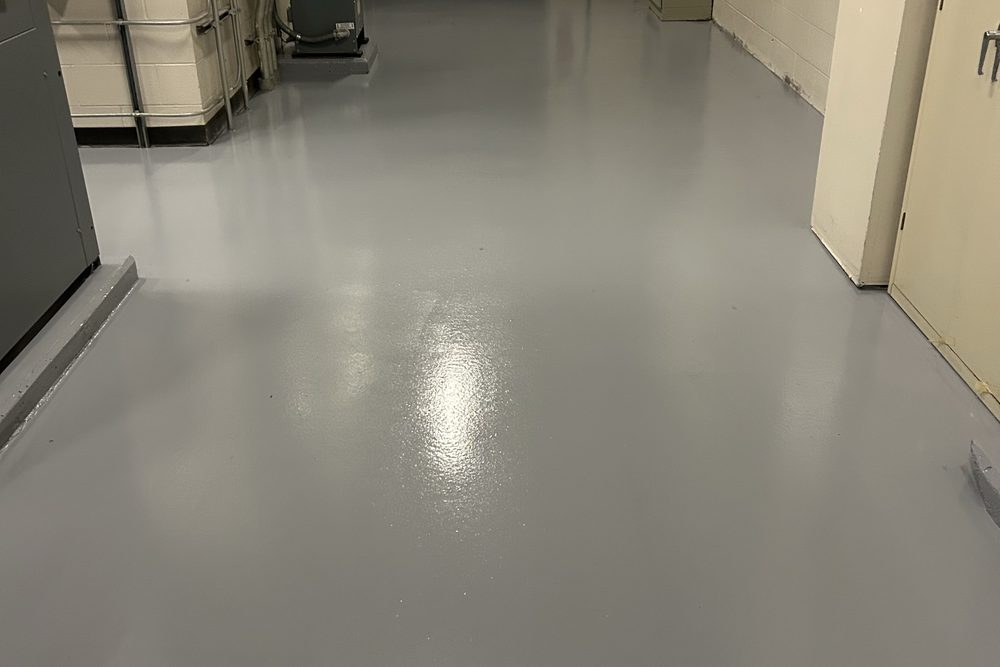
Epoxy vs vinyl flooring comparisons usually frame the decision as a choice between two imperfect options, since both come with tradeoffs that show up within a few years of installation regardless of how carefully the floor gets maintained. Vinyl tiles and planks handle light foot traffic well but struggle under heavy weight and moisture, while epoxy holds up to some of that but cracks and yellows over time as the coating ages.
Polyaspartic polyurea floor coating addresses the weak points in both materials at once, which is why it’s worth understanding before settling on either one for a garage, basement, or busy commercial space.
Handles Heavy Weight Without Denting or Cracking
Vinyl tile and plank flooring dents under the weight of parked vehicles, heavy furniture, or dropped tools, and those dents don’t pop back out on their own once they set into the material. Epoxy resists dents better than vinyl but chips and cracks under the same kind of impact over time, especially in spots that see repeated pressure from rolling carts or foot traffic in the same lane.
Polyaspartic polyurea tests out at 20 times stronger than epoxy, giving it enough strength to handle a parked car, a dropped wrench, or a rolling tool chest without leaving a lasting mark behind on the surface.
Resists Trapped Moisture Underneath the Surface
Vinyl flooring installs as individual tiles or planks over an adhesive layer, and moisture that works its way underneath gets trapped between the material and the slab, leading to mold, mildew, and a musty smell that’s difficult to trace back to its source until the flooring gets pulled up.
Epoxy runs into a similar problem, since it forms a separate film on top of concrete that can bubble or peel when moisture pushes up from below, especially in a basement or a slab without a proper vapor barrier underneath it. Polyurea bonds directly into the surface of the concrete, removing the gap where trapped moisture would otherwise cause damage over time.
Installs With No Seams to Lift or Collect Dirt
Every seam between vinyl tiles or planks is a potential weak point where edges curl, dirt collects, and moisture seeps in as the years pass, especially near doorways where foot traffic concentrates day after day.
Polyurea goes down as one continuous surface with no seams at all, similar to a properly applied epoxy floor, but without the risk of the coating itself cracking along a stress point the way epoxy sometimes does in high-traffic areas near doorways or workstations.
Stays Flexible Through Temperature Swings
Vinyl flooring expands and contracts with temperature changes, and enough cycles of that movement cause planks to curl at the edges or gap at the seams over a few seasons of regular use. Epoxy stays rigid and cracks under the same kind of movement instead of flexing with it the way a more resilient material would handle the same stress.
Polyurea is built roughly 5 times more flexible than epoxy. It stays stable across an installation and service temperature range from -30°F to 130°F, handling seasonal swings that would damage either alternative given enough time and exposure.
Installs Faster Than Either Alternative
Vinyl installation involves laying and adhering individual pieces, which takes time and requires the adhesive to fully cure before the floor sees regular use again, sometimes stretching a project out over several days depending on the size of the space. Epoxy typically needs several days to cure before handling full traffic without risking damage to the still-soft surface.
Polyurea installation finishes in a single day, with the floor ready to walk on within hours and fully usable the next day, cutting the disruption of a flooring project down significantly compared to either option.
Costs Less Over Time Thanks to a Longer Lifespan
Vinyl flooring in a garage or heavy-use space often needs replacement within several years as planks wear, chip, or lift at the seams from daily use and repeated exposure to moisture. Epoxy needs a recoat on a similar timeline as the surface ages and starts showing its own wear patterns near high-traffic zones.
Polyurea is designed to last for the life of the concrete slab itself, which means the upfront cost doesn’t turn into a recurring expense the way it does with either alternative over a decade of ownership and daily use.
Let Guardian Garage Floors Install a Floor That Beats Both Alternatives
We install polyaspartic polyurea because it solves the specific problems that keep coming back with vinyl and epoxy, from trapped moisture to seams that lift over time and dents that never quite pop back out. Our full-time, trained installers back every finished floor with a transferable lifetime warranty that carries over to a new owner for 15 years, and there are no subcontractors involved at any point in the process from start to finish.
Ready for a floor that outperforms both alternatives instead of settling for the tradeoffs of either one? Request your free estimate today.
Frequently Asked Questions
Can vinyl flooring handle a car parked on it daily?
Not well. Vinyl tends to dent and shift under sustained vehicle weight, which makes it a poor fit for a daily-use garage compared to a coating built specifically to handle that kind of load over time.
Is polyurea more expensive than vinyl or epoxy upfront?
The upfront cost typically runs higher than vinyl or basic epoxy, but the lack of replacement or recoating costs down the road often makes it the more affordable option once you look at the full lifespan.
Does polyurea come in styles similar to vinyl plank flooring?
Polyurea offers solid colors and aggregate chip blends rather than a wood-look plank style, though custom color combinations can achieve a similarly polished, decorative look for a garage or living space.