Why Cleaning Polyurea Floors Is Easier Than Epoxy
Quick Summary
Epoxy floor cleaning gets more difficult over time as chips, hairline cracks, and yellowing create spots where dirt and grime collect, while polyaspartic polyurea resists those same failure points by bonding directly into the concrete. Routine cleaning on a polyurea floor typically requires nothing more than sweeping and an occasional mop with mild soap and water, without the resealing or careful chemical selection epoxy floors often need down the road.
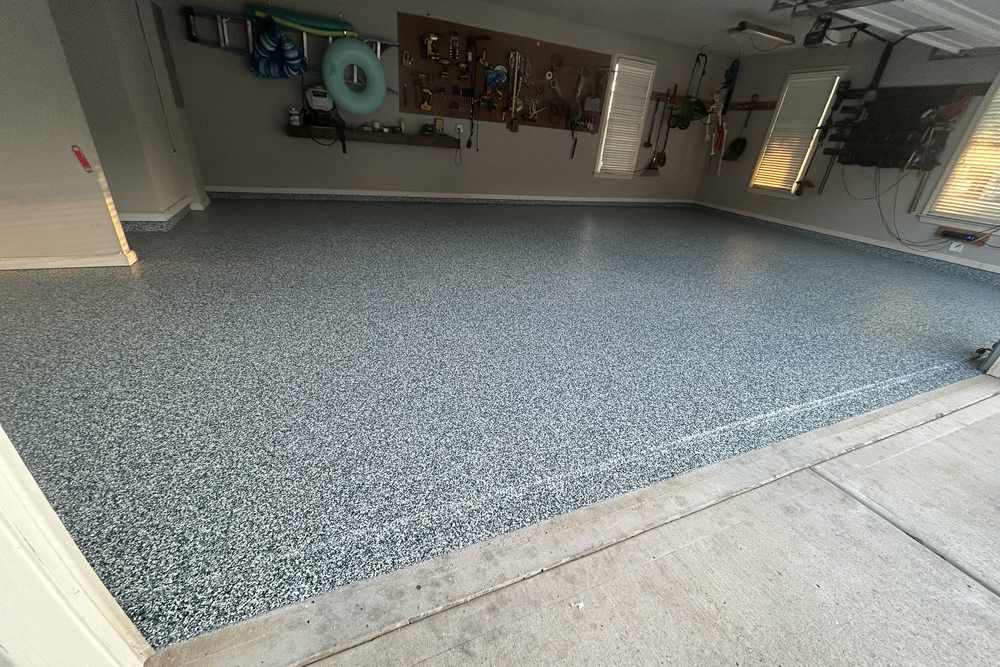
Epoxy floor cleaning starts out simple enough, but most homeowners and facility managers notice the routine gets more complicated as the floor ages. Small chips near high-traffic areas turn into dirt traps, hairline cracks collect grime that a mop can’t reach, and certain cleaning chemicals end up damaging the coating instead of just cleaning it.
Polyaspartic polyurea floor coating skips most of these problems from day one, which is why the maintenance routine stays simple for the life of the floor instead of getting harder every year that passes.
The Long-Term Payoff of Easier Maintenance
Cleaning ease sounds like a small detail until it gets added up over several years of ownership. A homeowner scrubbing at chipped, stained sections of an epoxy garage floor every weekend spends real time on a task that a polyurea floor turns into a quick wipe-down.
Businesses feel this even more directly, since staff time spent scrubbing stubborn stains or working around a floor that’s mid-recoat is time not spent on paying work. Fewer specialty cleaning products also means a smaller ongoing supply cost, since a mild soap and water routine covers most situations instead of a rotating cabinet of degreasers, strippers, and coating-safe cleaners bought specifically to avoid damaging an aging epoxy surface.
None of these savings show up as a single line item on an invoice, but they add up steadily across the life of a floor, especially in a space that sees daily use like a commercial kitchen, a warehouse, or a busy family garage.
Why Epoxy Floors Get Harder to Clean Over Time
Epoxy forms a rigid film on top of concrete, and that film is where most of the long-term cleaning headaches start. Heavy foot traffic, dropped tools, or a rolling cart eventually chips the surface in specific spots, and those chips create tiny ledges and gaps where dirt, oil, and grime settle in and stay put regardless of how often the floor gets mopped.
Hairline cracks that develop as the coating ages work the same way, catching debris along a line that a standard cleaning routine can’t fully reach even with plenty of elbow grease behind it. Epoxy is also more particular about which cleaning products are safe to use on it, since certain degreasers and solvents can soften or discolor the coating if they’re left on too long or used at the wrong concentration, which means reading labels carefully before grabbing whatever’s under the sink.
On top of that, epoxy tends to yellow with age and sun exposure, which makes ordinary stains and scuffs stand out more against a duller, uneven background than they would on a fresh, evenly colored surface.
What Makes Polyurea Floors Easier to Maintain
Polyaspartic polyurea absorbs into the surface of the concrete rather than forming a separate layer that can chip or peel away over time. Without that separate layer, there’s no ledge or gap for dirt to collect in as the floor ages, which keeps the surface just as easy to clean in year ten as it was on day one.
The coating also resists a wider range of chemicals, oils, and solvents than epoxy, which means fewer restrictions on which cleaning products are safe to reach for during a routine wipe-down. Staying 100% UV stable also plays a role here, since a floor that doesn’t yellow or fade keeps stains and scuffs visible and easy to spot before they set in, rather than blending into an already discolored surface.
Where the Cleaning Difference Shows Up Most
The gap between epoxy and polyurea becomes most obvious in spaces that see heavy, repeated exposure to a specific type of mess. A garage floor deals with oil drips, brake fluid, and road salt tracked in on tires all winter, and a polyurea surface wipes clean without the staining that settles into a chipped or aging epoxy floor over a few seasons.
A covered patio or pool deck deals with mildew and algae growth in humid weather, and a continuous, non-porous polyurea surface gives that growth nowhere to take hold the way a cracked or pitted surface would after enough rainy stretches. Commercial kitchens face grease, hot oil, and constant foot traffic during service, and a floor that resists staining without special chemical handling saves real time for a staff that’s already stretched thin during a shift.
Warehouses and industrial spaces add forklift traffic and chemical spills into the mix, and a surface that doesn’t chip under repeated impact keeps cleaning crews from working around damaged sections that never quite come clean.
A Simple Cleaning Routine for a Polyurea Floor
Day-to-day maintenance on a polyurea floor seldom goes beyond a broom or a dust mop to clear loose dirt and debris. A weekly pass with a mop, warm water, and a mild soap handles most everyday grime without any special products or techniques required.
For garages or driveways dealing with oil or grease spots, a standard degreaser works fine without the risk of damaging the coating the way it might with epoxy. There’s no periodic waxing or resealing built into the maintenance schedule either, since the coating holds its finish for the life of the floor instead of needing a refresh every year or two to look and perform its best.
When Epoxy Needs More Than Regular Cleaning
Beyond routine mopping, epoxy floors eventually need more involved upkeep that polyurea floors typically skip altogether. Chipped or cracked sections need patching to keep dirt from working its way underneath the coating, and those patches seldom blend in perfectly with the surrounding surface.
Many epoxy floors also need a full recoat every few years as the finish wears down, which means clearing the space, waiting through a multi-day cure, and paying for materials and labor all over again. None of that upkeep disappears with better cleaning habits, since it comes from how the material itself holds up rather than how well it gets maintained day to day.
Let Guardian Garage Floors Give You a Floor That’s Easier to Keep Clean
We hear the same complaint from a lot of homeowners and business owners switching over from epoxy: the floor looked great on day one, but keeping it clean became a real chore within a couple of years of regular use. Our polyaspartic polyurea coating is built to skip that decline altogether, and our full-time, trained installers back every finished floor with a transferable lifetime warranty instead of a maintenance schedule that gets more demanding with age.
From garages and patios to commercial kitchens and warehouses, we install a floor that stays easy to clean for as long as you own the property. Ready to stop fighting a floor that gets harder to maintain every year that passes? Request your free estimate today.
Frequently Asked Questions
Can I use the same cleaning products on polyurea that I used on my old epoxy floor?
In most cases, yes, though polyurea tolerates a wider range of cleaners and degreasers without the risk of softening or discoloring the surface that epoxy sometimes carries after repeated use.
Does a polyurea floor ever need to be resealed?
No. The coating bonds into the concrete and holds its finish for the life of the floor, so there’s no periodic resealing or waxing built into the maintenance routine.
Why does my epoxy garage floor get harder to clean every year?
Small chips and hairline cracks that develop over time create tiny gaps where dirt, oil, and grime settle in and stay put, making the surface progressively harder to fully clean regardless of how often it gets mopped.