A Crash Course On Laboratory Flooring
Quick Summary
Laboratory flooring must do far more than cover concrete. These environments demand surfaces that resist chemicals, handle constant traffic, support cleanliness standards, and maintain long-term durability under demanding conditions. Modern commercial floor coating systems like polyaspartic polyurea coatings help laboratories create cleaner, safer, and more durable workspaces built for daily performance.
Laboratories are built around precision, consistency, and control. Every surface inside the space contributes to how safely and efficiently work gets done. While countertops, equipment, and ventilation systems usually get most of the attention, flooring quietly handles some of the toughest demands in the entire facility.
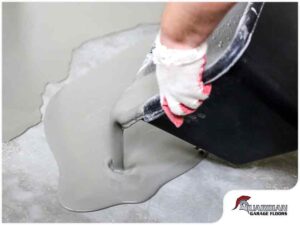
Heavy equipment rolls across it daily. Chemicals spill onto it. Foot traffic never really stops. Cleaning crews repeatedly sanitize it using strong solutions and industrial-grade products. Over time, ordinary flooring systems begin showing signs of wear surprisingly fast under those conditions.
That is why laboratory flooring deserves more consideration than many people initially realize.
Laboratory Floors Face Unique Challenges
A standard commercial floor may perform well in an office or retail setting, but laboratories create an entirely different environment.
Research facilities, healthcare laboratories, pharmaceutical spaces, and testing centers all place heavy demands on flooring materials. These spaces often combine moisture exposure, rolling equipment, harsh chemicals, and strict cleanliness requirements into one environment.
Concrete alone usually cannot handle that combination for long without deterioration.
Unprotected concrete absorbs liquids through microscopic pores. Over time, that may lead to staining, cracking, surface wear, or contamination concerns that become harder to control.
Modern laboratory flooring coating systems are designed to solve those problems while creating a cleaner and more durable workspace overall.
Chemical Resistance Changes Everything
Chemical exposure is one of the biggest factors separating laboratory flooring from ordinary commercial flooring.
Cleaning agents, acids, solvents, disinfectants, and laboratory materials can slowly damage unprotected surfaces. Some flooring products may also weaken, discolor, or deteriorate after repeated exposure to harsh substances.
That is why high-performance commercial floor coatings play such an important role in laboratory environments.
Polyaspartic polyurea coating systems create a sealed protective layer over the concrete itself. Instead of allowing chemicals to penetrate into the slab, the coating helps shield the surface from long-term damage.
That protective barrier also makes spills easier to clean while helping reduce staining and surface deterioration over time.
For laboratories handling demanding daily operations, chemical resistance directly impacts long-term floor performance.
Seamless Flooring Supports Cleaner Spaces
Cleanliness standards inside laboratories are naturally much higher than in ordinary commercial environments.
Tile grout lines, cracks, and porous surfaces can trap dirt, moisture, bacteria, and contaminants that become difficult to remove completely. Over time, those problem areas create ongoing maintenance frustrations.
Seamless flooring systems solve much of that issue.
Because polyaspartic polyurea coatings create a continuous surface without grout joints or exposed seams, the floor becomes much easier to sanitize and maintain. Dust and debris remain on the surface rather than collecting inside porous materials.
That cleaner finish is especially valuable in:
- Research laboratories
- Medical laboratories
- Pharmaceutical facilities
- Healthcare environments
- Food science laboratories
In these spaces, flooring becomes part of the cleanliness strategy itself instead of another maintenance concern.
Durability Matters Every Single Day
Laboratories place constant physical stress on flooring surfaces.
Rolling carts, mobile equipment, foot traffic, storage systems, and dropped tools all contribute to long-term wear. In larger facilities, heavy machinery and repeated movement patterns can quickly wear down weaker flooring systems.
Durability becomes far more important in these environments than many people expect.
Polyaspartic polyurea coating systems are designed for demanding commercial and industrial conditions. Their flexibility and impact resistance help them perform better under stress compared to more brittle surface materials.
That added durability may help reduce:
- Surface abrasion
- Cracking
- Peeling
- Staining
- Premature floor replacement
- Long-term maintenance demands
For laboratory managers, a stronger flooring system often means fewer disruptions and lower upkeep costs over time.
Safety Features Matter Too
Laboratories move quickly. Employees carry samples, transport equipment, and work around liquids throughout the day. Flooring plays a major role in maintaining a safer environment during those activities.
Slip-resistant finishes help improve traction without making the floor overly rough or difficult to clean. Many modern commercial floor coating systems can incorporate textured surfaces designed specifically for busy work environments.
At the same time, seamless coatings help reduce trip hazards caused by damaged flooring, loose materials, or uneven surfaces.
The result is a workspace that feels cleaner, more organized, and safer for daily operations.
Modern Flooring Also Improves Appearance
Performance matters most in laboratory flooring, but appearance still influences how a facility feels.
A stained, cracked, or deteriorating floor can make even a highly advanced laboratory appear outdated. Clean, polished flooring contributes to a more professional atmosphere for employees, visitors, and clients alike.
Modern commercial floor coatings are available in multiple finishes and styles that create a cleaner visual appearance while still delivering industrial-grade durability underneath.
That balance between performance and presentation has become increasingly important in today’s laboratory environments.
FAQs
High-performance seamless flooring systems with chemical resistance and durability are commonly used in laboratory environments.
Seamless flooring helps reduce areas where contaminants, moisture, and debris can collect, making cleaning and sanitation much easier.
Yes. Polyaspartic polyurea coating systems are highly durable, chemical-resistant, fast-curing, and well-suited for demanding commercial and laboratory settings.
Upgrade Your Laboratory Flooring with Guardian Garage Floors
At Guardian Garage Floors, we install proprietary polyaspartic polyurea coating systems designed for demanding commercial environments, including laboratories, healthcare facilities, industrial buildings, warehouses, and research spaces.
Engineered to be stronger and more flexible than traditional epoxy systems, our coatings provide outstanding resistance against chemicals, heavy traffic, abrasion, moisture, and UV exposure. Installed by professionally trained in-house crews, our seamless flooring systems create durable, easy-to-clean surfaces built for long-term performance. Since 2008, our veteran-owned company has completed more than 16 million square feet of flooring installations across multiple markets nationwide. Get a free quote now.