Should You Seal A Bathroom Floor In Pinehurst, NC? 5 Key Considerations
Quick Summary
Sealing a bathroom floor is worth it for porous surfaces such as natural stone, cement grout, and bare concrete, and unnecessary for most glazed porcelain and sheet vinyl. The right answer depends on your material, moisture from the slab, slip resistance, the type of product, and how much upkeep you will accept. Mistakes in product choice and surface preparation are costly, so a professional assessment pays for itself. Guardian Garage Floors coats concrete with polyaspartic polyurea under a lifetime warranty.
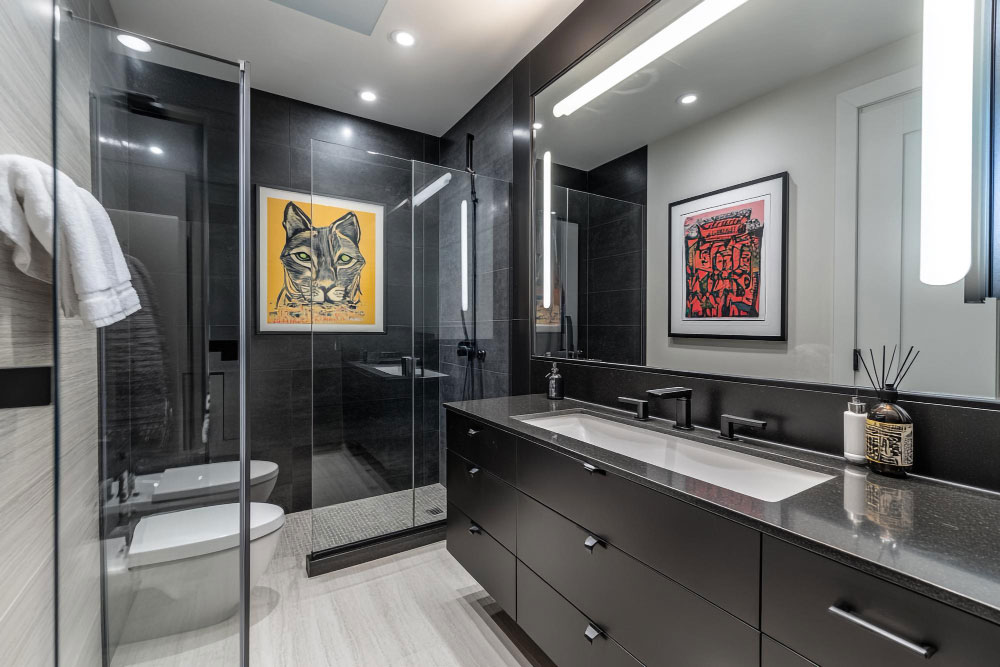
Pinehurst homeowners deciding whether to seal a bathroom floor are really asking how well their current surface handles water, and the honest answer is that it depends on the material, the slab or subfloor underneath, and the product that would go on top.
Our team coats concrete floors across North Carolina, so the five considerations below reflect what we see when sealing goes right and when it goes wrong.
Why The Question Matters In Pinehurst
North Carolina’s humid subtropical climate means bathrooms stay damp longer than they would in a dry region, and many homes in and around Pinehurst are built on concrete slabs that sit directly on the ground.
That combination makes moisture the central issue, since water arrives from above through showers and splashes and can also move up through a slab, and a surface that is porous will absorb whichever one reaches it first.
5 Key Considerations Before You Seal
1. What your floor is made of
Natural stone, cement-based grout, and bare or polished concrete are all porous, so they commonly benefit from a sealer that slows liquids from soaking in and staining. Glazed porcelain, glazed ceramic, and most sheet or plank vinyl are not porous, which means sealing the tile surface itself adds little, and only the grout between the tiles usually needs attention.
2. Moisture coming from below
A slab can release moisture vapor for years, and a sealer applied over a damp or poorly assessed slab may cloud, blister, or peel as that vapor pushes against it. This is the single most common reason a sealing job disappoints, and it is invisible until something goes wrong, which is why the slab deserves to be evaluated before anything is applied.
3. Slip resistance after sealing
Some sealers leave a glossy film that feels slick under wet feet, while others soak in and leave the surface feel unchanged. In a room where people step out of a shower onto bare floor, a finish that quietly reduces traction creates a real injury risk, so slip performance should be judged before a product is chosen rather than after.
4. The type of product and what is already on the floor
Penetrating sealers and surface-forming coatings behave differently, and each reacts with older sealers, waxes, and cleaning residues already on the floor. Choosing the wrong product, or applying a new one over one that is incompatible, is a common cause of hazy patches, tacky spots, and uneven color that are difficult to reverse.
5. Upkeep and how long the result lasts
Many sealers wear away with cleaning and foot traffic and need reapplying on a schedule, which turns a one-time project into a recurring chore. Stronger options exist for concrete, and a polyaspartic polyurea coating forms a continuous, low-maintenance surface rather than a thin treatment that gradually fades.
Why Doing It Wrong Costs More
A failed sealing attempt is rarely a cosmetic problem alone, because removing a stubborn or peeling product can mean grinding, stripping, or replacing the surface, and that often costs more than doing the job properly at the outset.
There is also the matter of trapped moisture, since a sealer that locks water into grout or a slab can encourage staining and odor, and a surface that looks acceptable for a few months can fail once a humid Pinehurst summer arrives.
Because the product, the preparation, and the moisture condition all interact, a professional who sees these floors daily can usually spot a problem that a homeowner would not notice until it was too late.
Where We Fit For Pinehurst Concrete Floors
Guardian Garage Floors installs polyaspartic polyurea coatings on concrete in Pinehurst and across North Carolina, and our crews are full-time employees rather than subcontractors. You can read about our work on our Pinehurst, NC location page.
Our residential projects today cover garages, basements, patios, and driveways, and on those floors we grind the slab, repair cracks, and install the coating in one day in most cases, with traffic returning about 24 hours after completion and a lifetime warranty on the work. Our garage floor coatings in North Carolina page shows what that looks like.
If you are weighing a concrete floor project of your own, our team will gladly assess the slab and tell you plainly what we would and would not recommend, and the estimate is free.
When you are ready to talk about a concrete floor or coating project at your Pinehurst home, contact our team for a free estimate and we will take it from there.
FAQs
Do I need to seal a porcelain tile bathroom floor?
Glazed porcelain is dense and does not usually need sealing on its surface, since there is little for a sealer to soak into. The grout between the tiles is a different story, since cement-based grout is porous and often benefits from sealing and regular cleaning. Check what your installer used, and ask for a recommendation if you are unsure.
Can sealing a bathroom floor make it slippery?
Yes, some film-forming sealers leave a glossy surface that gets slick when wet, particularly on smooth stone or concrete. Penetrating products usually change the feel of the floor less, though results vary by product and surface. Because bare, wet feet are the norm in a bathroom, slip performance should be considered before any product is chosen.
How often does a sealed bathroom floor need to be redone?
It depends on the material and the product. Many sealers wear down with cleaning and use and are reapplied periodically, sometimes every year or two on busy floors, while a professionally installed coating on concrete is designed to last far longer. Our coatings carry a lifetime warranty, and our team can explain what that covers during an estimate.
Does Guardian Garage Floors seal bathroom floors in Pinehurst homes?
Our residential coating work covers garage floors, basements, patios, and driveways, and we install polyaspartic polyurea on concrete under a lifetime warranty. If you have a concrete floor project elsewhere in your home, contact our team and describe it in detail, and we will tell you honestly whether we can help with it.